Hey fellow wanderlusters! Just thinking back to my incredible trip through Bosnia and Herzegovina, and one of the first things that always comes to mind for any traveler is, ‘How do I handle my money here?’ Trust me, I’ve been there – standing in a new city, trying to figure out the best way to get local currency without losing a chunk to hidden fees.
While Bosnia is truly a gem, knowing the ins and outs of exchanging your cash for Convertible Marks (BAM) can make or break your budget and overall experience.
From bustling city markets to charming village cafes, cash is often king, even as card payments become more widespread in urban areas. I’ve navigated those tricky ATM choices, compared exchange office rates, and learned firsthand how to avoid those sneaky dynamic currency conversion traps that can eat into your travel funds.
So, if you’re looking to explore Sarajevo, Mostar, and beyond without a financial headache, you’ve come to the right place. I’m excited to share my go-to strategies and insider tips that I’ve picked up along the way to ensure your money works as hard as you do for that dream vacation.
Let’s make sure your Bosnian adventure is filled with amazing memories, not money worries. Get ready to master currency exchange in Bosnia and Herzegovina – let’s dive into all the details!
Navigating ATM Networks and Fees in Bosnia

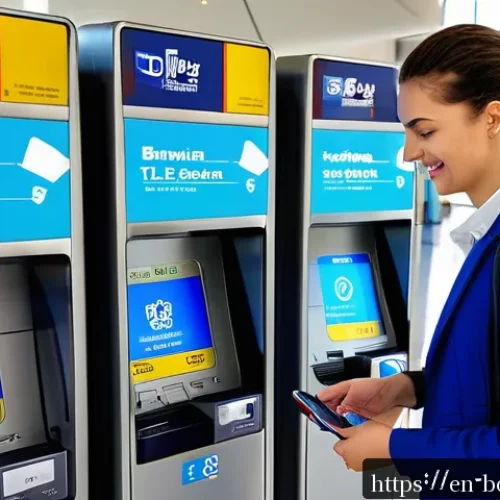
When I first arrived in Sarajevo, the immediate thought was, “Okay, where’s the closest ATM?” It’s usually my go-to for getting local currency, and Bosnia is no different.
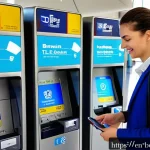
You’ll find ATMs pretty readily available in larger cities like Sarajevo, Mostar, and Banja Luka. Banks like Raiffeisen Bank, UniCredit Bank, and Intesa Sanpaolo have a strong presence, and their ATMs are generally reliable.
I always tried to stick to ATMs attached to actual bank branches during business hours, just in case something went awry with my card. This little trick has saved me a headache more than once on my travels.
One thing that always gets me is the varying fees. While some local banks might not charge an ATM fee on their end for foreign cards, your home bank most certainly will, and sometimes there’s an additional fee from the Bosnian bank too.
It’s always worth checking with your bank before you leave, or just accepting that a small fee is the price of convenience. I remember one time, I needed cash quickly in a smaller town, and the only ATM available hit me with a surprisingly high charge – lesson learned: plan ahead!
Finding Reliable ATMs and Avoiding Scams
My number one rule for ATMs abroad, and especially in Bosnia, is to use machines located inside or directly outside established bank branches. These are generally more secure and less likely to be tampered with.
I also tend to avoid standalone ATMs in random shops or dimly lit alleyways, even if they look official. Skimmers and other card-cloning devices are a real concern, and a little caution goes a long way.
Always check the card slot for anything unusual before inserting your card, and cover the keypad when entering your PIN. Trust your gut feeling – if an ATM feels off, just walk away and find another.
I usually carry a mental list of major bank names from my initial research, so I know which logos to look out for. This approach has always helped me feel a lot more secure about my transactions.
Understanding Withdrawal Limits and Hidden Charges
Oh, the dreaded withdrawal limits! I’ve found that most Bosnian ATMs will have a daily limit, typically ranging from 300 to 800 BAM, depending on the bank.
This is usually more than enough for daily expenses, but it’s something to keep in mind if you’re planning a big purchase or need a lot of cash for an extended period in a rural area.
The real kicker, though, can be the hidden charges. Besides your own bank’s foreign transaction fees, some local ATMs might have their own small charge, usually displayed before you confirm the transaction.
Always, always pay attention to the screen prompts! There’s also the infamous Dynamic Currency Conversion (DCC) which I’ll delve into later, but for now, just remember: when given the option, always choose to be charged in the local currency, Bosnian Convertible Marks (BAM), not your home currency.
I nearly kicked myself once when I wasn’t paying attention and let the ATM convert for me – the exchange rate was abysmal!
The Art of Exchanging Cash: Where to Go and What to Watch For
Even with ATMs readily available, sometimes you just need to exchange physical cash, especially if you arrive with a stash of euros or US dollars. Bosnia has a good network of exchange offices, locally known as ‘mjenjačnica,’ and banks that offer currency exchange services.
My experience has taught me that these options can vary wildly in terms of rates and fees, so it pays to be a little savvy. I always make it a point to check a couple of places before committing, especially in tourist-heavy areas where rates might not be as favorable.
I remember wandering around Baščaršija in Sarajevo, comparing rates between three different places before settling on one that offered a surprisingly good deal.
It felt like a small victory, knowing I got more BAM for my buck! Euros are by far the easiest currency to exchange, but US dollars and British Pounds are also widely accepted.
Just be sure your banknotes are in good condition, as damaged or old bills might be rejected.
Deciphering Exchange Office Rates
When you walk into a ‘mjenjačnica’, you’ll usually see a board displaying “Kupovni” (buy) and “Prodajni” (sell) rates. As a tourist exchanging your foreign currency for BAM, you’re interested in the “Kupovni” rate – that’s how much BAM they’ll give you for your currency.
I always compare this to the current interbank rate (which you can quickly check on your phone) to get a sense of the spread. A wider spread means they’re taking a bigger cut.
While exchange offices might sometimes offer slightly better rates than banks, they can also have hidden fees or less transparent policies. Always ask about any commissions or fixed fees before you hand over your money.
I learned this the hard way once in Mostar; the displayed rate looked fantastic, but a hefty commission wiped out any advantage. It’s truly a game of diligence and asking the right questions!
The Perks of Banks Over Private Exchanges
While independent exchange offices can sometimes offer tempting rates, I often lean towards using banks for my cash exchange needs, especially for larger amounts.
Banks like UniCredit, Raiffeisen, and Intesa Sanpaolo are generally more regulated and transparent. Their rates might not always be the absolute best on paper, but you usually won’t encounter hidden fees or unexpected commissions.
Plus, there’s an added layer of security and trust that comes with a formal banking institution. I remember exchanging a significant sum at a UniCredit branch in Banja Luka, and the process was smooth, professional, and completely transparent.
The peace of mind knowing I was dealing with a reputable institution was worth any slight difference in the exchange rate. It’s always a good idea to bring your passport when exchanging money at a bank, as they often require it for identification purposes.
Embracing Card Payments: When and Where They Work
In my early travels, I was very much a “cash is king” person, but as technology advances, so does the acceptance of card payments. Bosnia and Herzegovina is definitely moving in that direction, especially in its major cities.
You’ll find that most hotels, larger restaurants, supermarkets, and modern shops readily accept Visa and Mastercard. American Express, however, is less widely accepted, so I always make sure to carry a Visa or Mastercard as my primary.
It’s incredibly convenient to just tap and go, especially for larger purchases. I recall paying for a lovely dinner in Old Town Sarajevo with my card – a hassle-free experience that made the evening even more enjoyable.
However, it’s still crucial to carry some cash, as not every place is set up for plastic, and that’s where the nuances come in.
Credit and Debit Card Acceptance in Urban vs. Rural Areas
Here’s the real distinction: city vs. village life. In urban centers, you’ll likely have no problem using your card for most transactions.
From trendy cafes to shopping malls, cards are increasingly common. But venture out into the picturesque smaller towns, charming guesthouses, local markets, or family-run restaurants, and cash quickly becomes essential.
I remember trying to pay for a fantastic, home-cooked meal at a little konoba (traditional restaurant) in a village outside Mostar, only to be met with a friendly shake of the head and “cash only.” Luckily, I had anticipated this and had plenty of BAM on hand.
My rule of thumb: always assume smaller establishments, taxis, and market stalls will be cash-only, and plan accordingly. It’s all part of the authentic travel experience, right?
The Convenience (and Risks) of Going Cashless
The convenience of going cashless is undeniable. No fumbling for change, easy tracking of expenses, and less worry about carrying large amounts of physical money.
For these reasons, I try to use my card whenever possible for security and budgeting. Many cards also offer travel insurance benefits or reward points, which are nice perks.
However, going entirely cashless in Bosnia could leave you in a tight spot. Beyond the acceptance issues in rural areas, sometimes card machines simply don’t work, or the internet connection is spotty.
I’ve had a few moments where a transaction failed due to network issues, and having backup cash was a lifesaver. Plus, for tipping or buying small souvenirs from street vendors, cash is pretty much the only way to go.
It’s about finding that perfect balance between the ease of card payments and the necessity of having local currency readily available.
Dealing with Bosnian Marks (BAM): Denominations and Usage
Getting to grips with a new currency is always part of the adventure. In Bosnia and Herzegovina, the local currency is the Convertible Mark (BAM), which is pegged to the Euro at a fixed rate of 1 EUR = 1.95583 BAM.
This peg provides a nice sense of stability, making it easier to mentally convert prices. You’ll encounter banknotes in denominations of 10, 20, 50, 100, and 200 BAM, and coins for 0.05, 0.10, 0.20, 0.50, 1, 2, and 5 BAM.
The 5 BAM coin can be a bit chunky, but useful! I always try to break larger bills at supermarkets or bigger stores where they’re more likely to have change.
Nothing is worse than trying to pay for a small coffee with a 100 BAM note in a tiny cafe – they often just don’t have enough change, and you feel terrible!
Getting Familiar with BAM Banknotes and Coins
The banknotes are quite colorful and feature prominent figures from Bosnian history and culture. The coins are pretty standard. What I found really helpful was getting accustomed to the values quickly.
A 10 BAM note is roughly 5 Euros, so if something costs 20 BAM, I know it’s about 10 Euros. This quick mental math becomes second nature after a few days.
I also make a habit of keeping a separate small pouch for coins. Those 0.05 and 0.10 BAM coins add up, and they’re perfect for small purchases like a tram ticket or a quick snack.
It saves you from accumulating a heavy pocket full of metal and makes transactions smoother for both you and the vendor. I remember buying a delicious burek (flaky pastry) for just a few BAM, and having the exact change always makes you feel like a local!
Why Cash is Still King in Many Situations
Despite the rise of card payments, I truly believe cash remains king for many aspects of travel in Bosnia and Herzegovina. For taxis, public transport (like tram tickets in Sarajevo), small souvenir shops in historical districts, local markets, street food vendors, and most guesthouses in smaller towns, cash is almost always preferred, if not required.
There’s a certain charm to the cash-based economy in these settings. It feels more direct, more personal. I’ve had some wonderful interactions with local vendors while haggling (gently!) over prices at markets, and cash transactions always felt more authentic.
Plus, having a good stash of BAM meant I was never caught off guard, even in the most remote, beautiful corners of the country where a card machine was simply a distant dream.
Always carry enough to cover a day or two’s worth of expenses, especially if you’re venturing off the beaten path.
Unmasking Dynamic Currency Conversion (DCC) Traps

Oh, Dynamic Currency Conversion, my old nemesis! This sneaky little trick has tried to get me countless times in various countries, and Bosnia is no exception.
It’s probably one of the most important things to be aware of when you’re using your card abroad, whether at an ATM or a point-of-sale terminal. Essentially, DCC is when you’re offered the choice to pay in your home currency (e.g., USD, GBP, EUR) instead of the local currency (BAM) when making a card payment or withdrawal.
Sounds convenient, right? Wrong! It almost always results in a significantly worse exchange rate than if you chose to pay in the local currency.
I’ve seen the difference be as much as 5-10%, which really adds up over a trip. It truly feels like a hidden tax on unsuspecting travelers, and once you know about it, you can easily avoid it.
Spotting the DCC Trick at ATMs and POS Terminals
The DCC trap usually appears as a question on the ATM screen or POS terminal: “Do you want to pay in [your home currency] or Bosnian Convertible Marks (BAM)?” or something similar.
They often try to make it seem like paying in your home currency is a benefit, perhaps even showing you the converted amount in your familiar currency.
Don’t fall for it! The critical thing to remember is that if you choose your home currency, the exchange rate is set by the local merchant’s bank, not your own bank, and it’s almost always a less favorable rate.
When I see this question pop up, I immediately and instinctively select BAM. I’ve become so conditioned to it that it’s now a reflex. It’s like a little game of “beat the bank,” and I always aim to win!
Always Choose Local Currency (BAM)!
This cannot be stressed enough: *always* choose to be charged in the local currency, Bosnian Convertible Marks (BAM), when given the option at an ATM or when paying with your card.
By doing so, you let your own bank handle the currency conversion, which generally offers a much better, closer-to-market exchange rate. Your bank’s foreign transaction fees might still apply, but at least you’re avoiding the inflated exchange rate offered by the local merchant.
I vividly remember one instance at a gift shop where the cashier manually asked if I wanted to pay in Euros. I politely but firmly insisted on BAM, and she complied.
It might feel a bit awkward sometimes, but it’s your money, and you have the right to get the best value for it. Making this choice consistently throughout my trip saved me a considerable amount of money that I could then spend on more delicious Bosnian coffee and cevapi!
Budgeting Like a Local: Tips for Savvy Spending
One of the joys of traveling is experiencing local life, and that includes understanding the cost of things and how locals manage their money. Bosnia and Herzegovina is generally quite affordable compared to many Western European countries, but smart budgeting can stretch your Convertible Marks even further.
My personal approach is always to have a daily budget in mind and then track my spending. It doesn’t have to be rigid, but having a general idea helps prevent overspending.
I found that eating at local bakeries (for things like burek) and traditional restaurants, using public transport, and exploring free attractions really helped keep my costs down without feeling like I was missing out.
It’s all about making informed choices and knowing where you can save a few BAM.
Estimating Daily Expenses and Keeping Track
Before any trip, I do a quick estimate of how much I expect to spend on accommodation, food, transport, and activities. In Bosnia, I found that for a mid-range traveler, around 80-120 BAM per person per day (excluding accommodation) was a good starting point.
This covers decent meals, a few coffees, entrance fees to museums, and local transport. For a more budget-conscious traveler, you could easily manage on less.
I usually jot down my expenses in a small notebook or use a simple budgeting app on my phone. It’s not about being obsessive, but just having a rough idea of where my money is going helps me adjust my spending if I realize I’m over budget on one thing.
For example, if I splurged on a fancy dinner one night, I’d opt for a cheaper lunch from a bakery the next day.
Negotiating Prices and Tipping Customs
Negotiating prices isn’t really a widespread custom in Bosnia for things like restaurants or supermarkets, but it can sometimes be an option at local markets for souvenirs or handicrafts.
It’s more of a gentle back-and-forth rather than aggressive haggling. I usually approach it with a smile and a friendly query, “Is there any room on the price?” or “What’s your best price for two?” Sometimes it works, sometimes it doesn’t, but it’s always worth a try for a small discount.
As for tipping, it’s customary but not obligatory. In restaurants, rounding up the bill or leaving 5-10% is appreciated if the service was good. For taxis, I usually just round up to the nearest convenient amount.
For tour guides, a few BAM per person is a nice gesture. It’s generally a more relaxed tipping culture than in North America, for instance, but showing appreciation for good service is always a thoughtful thing to do.
Emergency Money Situations: What to Do If Things Go Wrong
Let’s be honest, no one wants to think about things going wrong on a trip, but being prepared for emergency money situations is just smart travel planning.
Losing a wallet, having a card stolen, or simply running out of cash unexpectedly can be incredibly stressful, but it doesn’t have to derail your entire trip.
I always travel with a few backup plans in mind, and having a clear head when something does happen is key. The good news is that most major cities in Bosnia have the infrastructure to help you out, even if it feels a bit daunting at the time.
It’s all about knowing your options and acting quickly.
Lost or Stolen Cards: Immediate Steps
If your credit or debit card goes missing, the very first thing you need to do is contact your bank immediately to report it lost or stolen and have it cancelled.
Most banks have a 24/7 international helpline, and it’s a good idea to have that number saved in your phone or written down somewhere safe (separate from your wallet!).
I always carry a secondary credit card from a different bank, stored in a completely separate location from my primary wallet. This has been a lifesaver on more than one occasion.
If both are gone, or if you’re in a real bind, look for Western Union or MoneyGram locations. You can often have money wired to you from a friend or family member back home, though fees can be high.
Being proactive here is crucial, as every minute counts when it comes to preventing fraudulent charges.
International Money Transfers in a Pinch
For those moments when you’re truly stuck without any local currency and your cards are compromised, international money transfer services can be a lifeline.
Western Union and MoneyGram have branches in most major Bosnian cities, and they allow friends or family to send money to you quickly. You’ll typically need to show your passport to pick up the funds.
While it’s not the cheapest option, it’s reliable when you’re in a bind. I’ve never had to use it myself, thankfully, but I always know it’s there as a last resort.
Another option, if you have access to a computer and internet, might be online money transfer services like Wise (formerly TransferWise) which can send funds to a local bank account or sometimes even for cash pick-up, often with better rates than traditional services, but it might take a bit longer.
The key is to explore all avenues and not panic – there’s almost always a solution!
| Exchange Method | Pros | Cons | Best For |
|---|---|---|---|
| ATMs | Convenient, widely available in cities, generally good rates (if you choose BAM). | Potential fees from both your bank and local bank, withdrawal limits, risk of skimmers. | Regular cash needs, quick access to BAM. |
| Exchange Offices (Mjenjačnica) | Good for exchanging physical foreign cash (especially EUR), potentially better rates than banks. | Varying rates, potential hidden commissions, less transparency than banks. | Exchanging larger amounts of physical foreign currency. |
| Banks | Secure, transparent, reliable, good for larger exchanges, professional service. | Rates might be slightly less competitive than the best exchange offices, often require passport. | Exchanging significant amounts, peace of mind, formal transactions. |
| Credit/Debit Cards (POS) | Convenient for larger purchases, good for budgeting, widely accepted in urban areas. | Less accepted in rural areas, smaller shops/markets, risk of DCC, foreign transaction fees. | Hotels, major restaurants, supermarkets, modern shops. |
글을마치며
Well, fellow adventurers, we’ve covered a lot of ground today, haven’t we? From navigating the local ATM scene to understanding the nuances of Dynamic Currency Conversion and even preparing for those “what if” moments, I hope this deep dive into managing your money in Bosnia and Herzegovina leaves you feeling confident and ready for your own incredible journey.
Remember, a little preparation goes a long way in ensuring your financial peace of mind, allowing you to truly immerse yourself in the vibrant culture and breathtaking landscapes this beautiful country has to offer.
So go forth, explore, and let your Bosnian adventure be filled with unforgettable memories, not money worries!
알아두면 쓸모 있는 정보
1. Before you even set foot on Bosnian soil, taking a little time for financial homework is an absolute game-changer. I’ve learned from experience that proactively contacting your bank and credit card providers is crucial. Informing them of your travel dates and destinations prevents your cards from being flagged for suspicious activity and potentially blocked right when you need them most, like trying to get cash from an ATM in a new city. This is also the perfect opportunity to inquire about any pesky foreign transaction fees your cards might impose. Trust me, realizing you’ve paid an extra 2-3% on every purchase and withdrawal after your trip can be a real budgeting damper. Some progressive banks now offer cards with no foreign transaction fees, which I swear by for international travel, as they significantly cut down on costs. Knowing these details upfront empowers you to strategically choose which cards to use for different transactions and truly helps pave the way for a smoother, more financially savvy trip.
2. My biggest piece of advice for money management in Bosnia and Herzegovina is to never put all your eggs in one basket. Relying solely on one payment method is a recipe for potential stress. From my own adventures, I’ve found that a thoughtful mix of local cash (BAM), a primary credit/debit card, and a backup card (stored separately, of course!) is the optimal strategy. While cities are becoming increasingly card-friendly for larger purchases like hotels and supermarket runs, cash truly remains king for those authentic, smaller, and often more memorable experiences. Think about those charming local markets, the friendly taxi drivers, the delightful street food vendors, or even the cozy guesthouses in more rural settings – they almost exclusively operate on cash. Having a healthy stash of BAM on hand means you’re always ready, no matter where your wanderlust takes you, ensuring you never miss out on a genuine local interaction just because a card machine isn’t available.
3. In today’s digital age, your smartphone can be an incredibly powerful financial tool when traveling. I can’t tell you how many times I’ve relied on mine for quick currency conversions, especially when trying to get a feel for prices in a new currency like the Bosnian Convertible Mark. Apps that provide real-time exchange rates are fantastic for quickly comparing a restaurant bill or a souvenir price to your home currency, helping you make smarter spending decisions on the fly. Beyond conversions, banking apps are invaluable for monitoring your transactions and account balances, helping you stay on top of your budget and spot any unauthorized charges immediately. Plus, mapping apps often have features to locate nearby ATMs from reputable banks, saving you the hassle of wandering aimlessly and potentially falling for less secure, standalone machines. It’s like having a personal financial assistant right in your pocket, making every transaction a little less daunting and a lot more informed.
4. Navigating public transportation and making those small, everyday purchases are quintessential parts of the travel experience, and in Bosnia and Herzegovina, these are almost exclusively cash-based. I quickly learned that having a supply of smaller denomination BAM banknotes and coins is absolutely essential. Trying to pay for a tram ticket in Sarajevo or a quick coffee at a tiny local cafe with a 50 or 100 BAM note can often lead to awkward moments, as smaller vendors frequently don’t have enough change. I always make it a point to break larger bills at supermarkets or bigger shops where change is plentiful, then keep a separate coin purse for those smaller transactions. This simple habit not only makes your day-to-day interactions smoother and faster but also shows respect for local customs and convenience for vendors. Plus, there’s a distinct satisfaction in being able to pay the exact amount for a delicious burek or a charming small souvenir from a street vendor, feeling a little more like a local with every transaction.
5. While getting the absolute best exchange rate is always a goal, it’s crucial to remember that financial decisions on the road often involve balancing that rate against factors like security, convenience, and supporting local businesses. Sometimes, paying a tiny bit more at a reputable bank or a well-known exchange office means avoiding hidden fees, ensuring your transaction is secure, and knowing you’re not getting ripped off by an unregulated operator. My personal philosophy is that the peace of mind that comes with a secure, transparent transaction is often worth a fraction of a percentage point in the exchange rate. Furthermore, choosing to spend directly with local vendors using cash, even if it means a trip to an ATM, contributes directly to the local economy, enriching your travel experience and supporting the communities you visit. It’s about finding that sweet spot where you’re smart with your money without letting hyper-focus on rates overshadow the joy and authenticity of your travels.
중요 사항 정리
When handling money in Bosnia and Herzegovina, always prioritize using ATMs from established banks and choose to be charged in Bosnian Convertible Marks (BAM) to avoid poor exchange rates from Dynamic Currency Conversion.
Carry a mix of cash and cards, as card acceptance varies, especially in rural areas and smaller establishments. Keep smaller denominations on hand for everyday purchases and transport.
Finally, do your financial homework before you go, informing your bank and understanding any potential fees to ensure a smooth and worry-free trip.
Frequently Asked Questions (FAQ) 📖
Q: What’s the best way to get Bosnian Convertible Marks (B
A: M) – from ATMs, exchange offices, or using my credit card directly? A1: Oh, this is a question I wrestled with on my first trip, and honestly, it’s a mix!
My personal experience, and what I’ve heard from countless other travelers, is that ATMs are generally your most convenient bet for getting local cash.
You’ll find them widely available in airports, cities like Sarajevo and Mostar, and even most tourist spots. Just a heads-up, though: while some ATMs might be fee-free, many do charge a transaction fee, sometimes around 10-16 BAM per withdrawal.
So, I usually try to take out a larger amount to minimize those fees. UniCredit Bank and BBI Banka ATMs, for example, have sometimes offered lower or no fees for foreign cards in my experience, but always check the screen for charges before committing.
When it comes to exchange offices, they can actually offer pretty competitive rates, especially those found in city centers away from the main tourist traps or airports where rates can be notoriously bad.
I always make it a point to compare a few places before I commit – a little walk can save you a good chunk of cash! Now, for credit and debit cards, they’re super handy for larger expenses like hotels, car rentals, or dining in nicer restaurants in bigger cities.
Visa and Mastercard are the most widely accepted, so definitely bring one of those along. However, based on my travels, don’t expect to swipe your card everywhere.
Smaller shops, bakeries, local markets, and especially public transportation often prefer or even only accept cash. So, while cards are great for convenience, cash is definitely still king for daily expenses and exploring off the beaten path!
Q: How can I avoid those sneaky extra fees when exchanging money or using my card in Bosnia and Herzegovina?
A: Ah, the dreaded hidden fees! I’ve fallen victim to these traps before, and it’s a real budget killer. The biggest culprit is something called Dynamic Currency Conversion (DCC).
This is when an ATM or a merchant offers to charge you in your home currency (like USD or GBP) instead of the local Bosnian Convertible Mark (BAM). It might seem helpful to see the price in your own currency, but trust me, they’re usually using a terrible exchange rate and adding extra markups on top!
My golden rule, and I can’t stress this enough, is to always choose to be charged in the local currency (BAM). Let your own bank or card provider handle the conversion; they almost always give you a much better, closer-to-mid-market rate.
Another tip I’ve picked up is to watch out for foreign transaction fees from your own bank. Many credit and debit cards charge an extra 1-3% for international purchases, which adds up!
Before you travel, call your bank and ask about their foreign transaction fees. Consider getting a travel-friendly debit card (like Wise or Revolut, which I’ve personally used and loved) that offers low or no foreign transaction fees and good exchange rates.
These cards can be a game-changer for saving money abroad. And remember, airport exchange counters are almost always the worst place to swap your cash – their rates are usually terrible.
Better to get a small amount before you go for immediate needs, or head to a city center exchange office or ATM once you arrive.
Q: Is it better to carry cash or rely on card payments when traveling around Bosnia and Herzegovina?
A: This is a classic traveler’s dilemma, and after exploring Bosnia and Herzegovina, I can tell you it’s definitely a balancing act! From my own adventures, and what the locals will tell you, cash is absolutely essential.
In places like local markets, small cafes, street food vendors, and most public transportation (like buses and trams), cash is the only option. Especially if you venture out of the big cities into charming smaller towns or rural areas, card machines become a rare sight.
I always make sure I have a good stack of BAM in smaller denominations for these daily essentials – it makes life so much easier and helps you avoid awkward situations.
However, that doesn’t mean you should leave your cards at home! For larger purchases, like your hotel stays, meals in more upscale restaurants, or shopping in bigger retail stores in cities like Sarajevo and Mostar, credit and debit cards are widely accepted and super convenient.
I typically use my card for these bigger expenses to keep my physical cash reserves for smaller transactions. Having a mix of both cash and cards gives you the flexibility to pay wherever you go, whether you’re haggling for souvenirs in a bazaar or checking into a lovely boutique hotel.
It’s also a smart backup strategy in case one payment method isn’t working or gets lost. So, my advice? Carry enough cash for a few days’ worth of small expenses, and use your travel-friendly cards for everything else!