Hey there, fellow adventurers and book lovers! Have you ever stood in a place and felt the weight of centuries pressing down on you, whispering tales of countless lives lived and monumental events unfolding?

I sure have, and let me tell you, there are few places that evoke that feeling quite as powerfully as Višegrad. It’s not just a town; it’s a living testament to history, culture, and resilience, especially when you consider its most iconic landmark.
I remember my first time learning about Višegrad and the magnificent Mehmed Paša Sokolović Bridge. It wasn’t just a travel destination that caught my eye; it was through the lens of Ivo Andrić’s breathtaking masterpiece, ‘The Bridge on the Drina.’ This Nobel Prize-winning novel isn’t just a story; it’s an epic journey through generations, illustrating how a single structure can witness, shape, and symbolize the human spirit through centuries of change.
It genuinely made me think about how some stories transcend time, becoming cornerstones of our collective understanding. If you’re someone who appreciates deep dives into rich history, stunning architecture, and narratives that truly stick with you long after the last page, then you’re in for a treat.
Let’s delve into this fascinating blend of history, literature, and enduring human connection, and see why it still captivates hearts today.
An Enduring Testament to Human Ingenuity
The Silent Stories Etched in Stone
When you first lay eyes on the structure, it’s not just a bridge; it’s a profound testament to what human hands and minds can achieve, and how such a creation can truly stand the test of time.
I remember distinctly the crisp autumn air on my first visit, and how the light played on the centuries-old stones. It wasn’t just pretty; it was *alive*.
This isn’t some modern marvel of steel and glass, impressive in its own right, but something far more organic, almost breathing the history it has witnessed.
The sheer scale and delicate arches of this Ottoman-era bridge, spanning the vibrant green Drina, immediately tell you it’s a place of deep significance.
You can practically hear the echoes of merchants, soldiers, and everyday villagers who have crossed its span for nearly five centuries. It feels like stepping onto a living museum, where every single stone has a story to tell if you only stop to listen.
What truly amazes me is the foresight and engineering prowess of those who built it so long ago. Imagine constructing something so robust and beautiful without the aid of modern machinery!
It speaks volumes about the dedication and skill that went into its creation, a true masterpiece of its era and one that continues to humble and inspire visitors today.
The way it gracefully connects two banks of a powerful river, almost like a natural extension of the landscape, is something that has always resonated deeply with me.
It’s an architectural marvel that simply refuses to fade into obscurity, maintaining its dignity and grandeur through every passing season.
More Than Just a Crossing: A Lifeline
For centuries, this bridge wasn’t just a convenient way to get from one side of the Drina to the other; it was literally the pulse of the region, connecting civilizations and cultures.
It was a strategic point, a trade route, and a gathering place. I’ve always found it fascinating how such a physical structure can embody so much social and cultural significance.
Think about it: every handshake, every farewell, every whispered secret, every declaration of love, every market transaction – countless human interactions have unfolded on its very surface.
This continuous flow of human life across its span has infused it with a palpable energy that you can still feel today. It serves as a powerful reminder of how infrastructure, beyond its practical function, becomes an intrinsic part of a community’s identity and memory.
It’s a landmark that has truly shaped the destiny of the people living around it, guiding their movements, influencing their economies, and providing a focal point for their shared history.
When you walk its length, you’re not just crossing a river; you’re traversing through layers of time and experience, connecting with the countless souls who have done the same before you.
Where Literature Breathes Life into Stone
Unlocking History Through a Nobel Laureate’s Eyes
For many of us, myself included, our introduction to this incredible place came not through travel brochures, but through the evocative prose of a literary genius.
Reading ‘The Bridge on the Drina’ by Ivo Andrić was a transformative experience for me. It wasn’t just a novel; it was a journey through time, a masterclass in historical storytelling that made the stones of the bridge speak volumes.
Andrić’s ability to weave together centuries of human drama, conflict, resilience, and coexistence around this single, silent observer – the bridge itself – is simply unparalleled.
He made me feel like I was there, witnessing the Ottoman Empire’s rise and fall, the Austro-Hungarian era, and the dramatic shifts that shaped the Balkans.
It’s a testament to his artistry that the book isn’t just about events, but about the enduring spirit of humanity reflected in this structure. I found myself pausing frequently, looking up details about the actual historical context, completely engrossed in how closely his narrative mirrored the lived experiences of generations.
It truly made me appreciate how literature can not only transport you but can also deepen your understanding of real places and their complex histories, almost like a time machine powered by words.
The Bridge as a Character: A Silent Witness
What truly captivates me about Andrić’s work is how he elevates the bridge from a mere setting to a central character in its own right. It isn’t just a backdrop; it’s an entity that observes, endures, and symbolizes the collective fate of the people of Višegrad.
Through the ebb and flow of empires, the joy of celebrations, and the devastation of wars, the bridge stands firm, a constant in a world of change. I’ve always been fascinated by how inanimate objects in fiction can take on such profound meaning, and Andrić masterfully achieves this.
He uses the bridge as a metaphor for resilience, for connection, and sometimes, for the divisions that can plague humanity. Its sturdy arches and ancient stones become silent witnesses to love and loss, to peace and conflict, embodying a stoic strength that reflects the very spirit of the region.
This narrative approach makes the history of the Balkans feel incredibly personal and immediate, turning abstract historical periods into vibrant, human stories.
It truly transforms your perception of the physical structure when you finally see it, knowing the rich tapestry of tales it has silently absorbed over the ages.
My Personal Sojourn to Višegrad’s Heart
The Unforgettable First Glimpse
Stepping out of the car and catching my first real-life glimpse of the Mehmed Paša Sokolović Bridge was truly an emotional moment for me. After devouring Andrić’s novel, the anticipation had been immense, and I worried that reality might not live up to the vivid images I’d built in my mind.
But let me tell you, it surpassed every expectation. The way it gracefully spans the Drina, surrounded by the lush Bosnian landscape, felt like stepping directly into the pages of the book.
It wasn’t just a photo opportunity; it was a profound sense of connection to history and literature all at once. I spent ages just wandering its length, tracing the intricate patterns of the stonework with my fingers, imagining all the countless feet that had worn smooth the very path beneath mine.
There was a quiet reverence in the air, a sense of timelessness that truly enveloped me. It made me realize how powerful a place can be when it’s imbued with such rich stories and historical significance.
The feeling of the sun on my face, the gentle breeze carrying whispers from the river – it all coalesced into a memory I’ll cherish forever. This wasn’t just another stop on a travel itinerary; it was a pilgrimage of sorts, a moment where fiction and reality beautifully intertwined.
Beyond the Bridge: The Soul of the Town
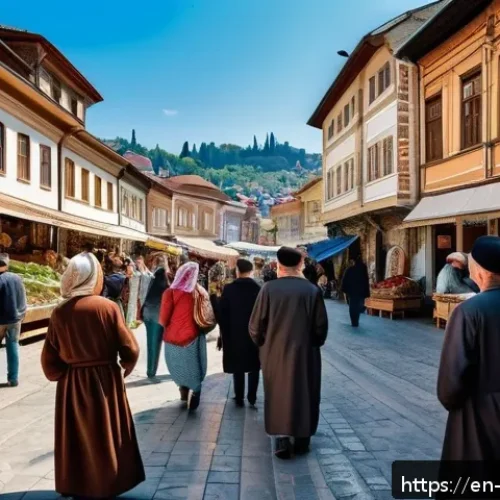
While the bridge is undoubtedly the crown jewel, Višegrad itself holds a charm that’s easy to fall in love with. It’s a town that seems to breathe history, with its narrow streets and friendly locals.
I remember sitting at a quaint café near the river, sipping strong Bosnian coffee, and just watching the world go by. The pace of life felt wonderfully unhurried, a stark contrast to the hustle and bustle of bigger cities.
I chatted with a few locals (with the help of some basic phrases and a lot of gesturing!), and their warmth and pride in their town and its iconic bridge were truly heartwarming.
It felt genuine, authentic. You can feel the deep roots of culture here, and it’s a place where tradition still holds a strong presence. Exploring the small shops, discovering local crafts, and trying some traditional Bosnian dishes added so much depth to my visit.
It’s these kinds of authentic, unscripted moments that truly make a trip memorable, allowing you to connect with the heart and soul of a place far beyond its famous landmarks.
Višegrad isn’t just a setting for a famous novel; it’s a living, breathing community with its own vibrant pulse.
Connecting Eras Through Architectural Craftsmanship
Master Builders and Enduring Legacies
The construction of this bridge in the 16th century, under the patronage of Grand Vizier Mehmed Paša Sokolović, is a marvel of Ottoman engineering and a testament to the era’s sophisticated building techniques.
It’s astounding to consider the precision and artistry involved in erecting such a colossal structure using only the tools and knowledge available at the time.
The choice of local limestone, meticulously cut and fitted, speaks volumes about the quality of craftsmanship. When you examine the details, like the delicate stone carvings and the robust arches, you realize this was no ordinary construction project; it was a work of art intended to last for centuries.

It makes you pause and consider the anonymous hands that carefully placed each stone, the engineers who calculated the stresses, and the architects who envisioned its graceful form.
Their collective dedication created not just a bridge, but an enduring legacy that still serves its purpose and inspires awe today. My mind often wanders to the immense challenges they must have faced, from sourcing materials to battling the elements, yet they persevered, leaving behind a structure that truly transcends time and stands as a monument to human determination and skill.
Evolution of a Landmark: Adapting Through Time
Over its nearly 500-year history, the bridge has seen its fair share of transformations, repairs, and even damage, yet it has always been painstakingly restored to its former glory.
This resilience is truly part of its story. It’s not just a relic preserved in amber; it’s an active participant in history, continuously adapting and being cared for.
From Ottoman-era adjustments to more recent conservation efforts following conflicts, the commitment to maintaining this UNESCO World Heritage site is evident.
These repairs and restorations aren’t just about fixing damage; they’re about honoring its past while ensuring its future. Each intervention adds another layer to its narrative, demonstrating humanity’s ongoing relationship with its own creations.
It’s a living example of how societies value and protect their cultural heritage, recognizing the bridge not just as a functional crossing, but as a symbol of continuity and identity.
The meticulous work of countless individuals, generation after generation, has ensured that this magnificent structure continues to stand, a vibrant thread connecting the present to a rich and complex past.
Planning Your Own Journey to the Drina
Navigating to this Balkan Treasure
If you’re anything like me, once a place captures your imagination, the next step is always figuring out how to get there! Reaching Višegrad, while feeling like a step back in time, is actually quite accessible.
Most international travelers fly into Sarajevo International Airport (SJJ) in Bosnia and Herzegovina. From Sarajevo, you can easily arrange a bus journey or hire a private transfer, which usually takes around two to three hours, offering stunning scenic views along the way.
I opted for a combination of public transport and a short taxi ride, which gave me a fantastic opportunity to see more of the Bosnian countryside. The roads are generally well-maintained, and the journey itself becomes part of the adventure, passing through charming villages and rolling hills.
For those coming from Serbia, Višegrad is also conveniently located near the border, making it an easy day trip or an overnight stay from places like Belgrade or Užice.
Don’t worry about getting lost; the bridge is so iconic that locals are always happy to point you in the right direction!
Essential Tips for an Enriched Visit
To truly soak in the atmosphere and make the most of your visit, I’ve gathered a few tips based on my own experience. First, try to visit during the shoulder seasons – late spring or early autumn – when the weather is pleasant, and the crowds are thinner.
This allows for a more serene experience. Second, allocate enough time. Don’t just rush to see the bridge and leave.
Spend at least a full day, or better yet, an overnight stay. This allows you to explore the town, visit the Andrićgrad complex (a cultural center inspired by the Nobel laureate’s work), and truly savor the local cuisine.
I highly recommend trying some Ćevapi, a traditional grilled dish, and a Bosnian coffee! Also, consider taking a short boat trip on the Drina River for unparalleled views of the bridge from the water; it offers a completely different perspective.
Wear comfortable shoes, as you’ll want to walk across the bridge multiple times and explore the town’s charming cobblestone streets. Remember that the local currency is the Convertible Mark (BAM), and while some places accept Euros, having local currency is always best.
Most importantly, embrace the slower pace; it’s part of Višegrad’s unique charm.
| Aspect | Details for Your Visit |
|---|---|
| Location | Višegrad, Republic of Srpska, Bosnia and Herzegovina |
| Main Attraction | Mehmed Paša Sokolović Bridge (UNESCO World Heritage Site) |
| Best Time to Visit | Late Spring (April-June) or Early Autumn (September-October) for pleasant weather and fewer crowds. |
| How to Get There | Fly into Sarajevo (SJJ), then bus or private transfer (2-3 hours). Accessible from Serbia as well. |
| Local Currency | Bosnian Convertible Mark (BAM). Cards accepted in larger establishments, cash preferred for smaller ones. |
| Must-Try Local Food | Ćevapi, Burek, Bosnian Coffee. |
| Recommended Activities | Walk the bridge, visit Andrićgrad, take a Drina river boat tour, explore local markets. |
Echoes of History: The Bridge’s Unwavering Spirit
A Symbol of Resilience Through the Ages
What truly resonates with me about the Mehmed Paša Sokolović Bridge isn’t just its architectural grandeur, but its profound symbolism. This structure has literally weathered centuries of storms – both natural and man-made – standing firm as empires rose and fell, and as conflicts ravaged the region.
It’s seen moments of great peace and prosperity, and devastating periods of war and destruction, yet it continues to connect, to endure. I find that incredibly moving.
It’s not merely a physical object but a living metaphor for resilience, for the enduring human spirit that rebuilds, reconciles, and remembers. Every stone seems to whisper tales of the past, of the people who crossed it seeking refuge, building new lives, or fighting for their ideals.
It tells a story of survival and continuity, proving that even in the face of immense change, some things are built to last. When you stand on that bridge, you can’t help but feel a deep sense of connection to that collective human journey, realizing that its unwavering presence is a powerful reminder of our capacity to overcome adversity and bridge divides.
More Than a Landmark: A Cultural Icon
Beyond its historical and architectural significance, the bridge has transcended its physical form to become a powerful cultural icon, not just for Bosnia and Herzegovina, but for the wider world, thanks in no small part to Andrić’s novel.
It embodies a rich tapestry of narratives, representing the complex interplay of cultures and histories that define the Balkans. It’s a place where East meets West, where different traditions have intertwined and left their indelible marks.
This cultural fusion is palpable, from the architectural details of the bridge itself to the vibrant local customs you’ll encounter in Višegrad. It has inspired artists, writers, and travelers for generations, becoming a muse for contemplation on identity, memory, and the passage of time.
My own experience there made me realize how some places, through their inherent beauty and the stories they hold, can truly capture the imagination and become much larger than themselves, continuing to inspire curiosity and understanding across borders and generations.
It’s a testament to its enduring power that it continues to draw people from all corners of the globe, eager to witness its silent grandeur and listen to the echoes of its profound history.
Wrapping Things Up
And so, our journey through the timeless beauty of the Mehmed Paša Sokolović Bridge comes to a close. It’s been more than just exploring a historical landmark; it’s been a deep dive into the human spirit, an appreciation for enduring craftsmanship, and a testament to the power of stories, both real and literary. My own experience there truly changed my perspective, reminding me that some places hold a magic that transcends time and space. I sincerely hope this post has sparked your curiosity and inspired you to consider your own unforgettable visit to Višegrad. Trust me, it’s a destination that promises not just sights to behold, but an enriching experience that will stay with you long after you’ve left its ancient stones.
Useful Information to Know
1. Optimal Visiting Times: Aim for the shoulder seasons, like late spring (April-June) or early autumn (September-October). The weather is fantastic, and you’ll find fewer crowds, allowing for a more intimate experience with the bridge and the town.
2. Currency and Payments: The local currency is the Bosnian Convertible Mark (BAM). While some larger establishments might accept Euros, it’s always wise to carry BAM, especially for smaller shops, cafes, and markets. Cash is often preferred.
3. Local Hospitality: Bosnians are incredibly warm and welcoming! Learning a few basic phrases like ‘Zdravo’ (hello), ‘Hvala’ (thank you), and ‘Molim’ (please) can go a long way and will definitely be appreciated by the locals.
4. Culinary Delights: You absolutely must try the local cuisine! Don’t leave without savoring some Ćevapi, a delicious grilled minced meat dish, and treating yourself to a rich, traditional Bosnian coffee. Burek, a savory pastry, is also a local favorite.
5. Getting Around: Once you arrive in Višegrad, the town is quite walkable. The bridge is easily accessible, and you can explore Andrićgrad and the town center on foot. For broader exploration, local taxis are available.
Key Takeaways
The Mehmed Paša Sokolović Bridge isn’t just an architectural masterpiece; it’s a living monument to centuries of history, culture, and human endurance. As a UNESCO World Heritage site, it showcases incredible Ottoman-era engineering and deeply intertwines with the narrative of Bosnia and Herzegovina. Through the eloquent words of Nobel laureate Ivo Andrić, its stones tell tales of empires, conflicts, and the unbreakable spirit of a people. Visiting Višegrad offers a uniquely authentic journey, allowing you to connect with a profound cultural legacy and experience the serene beauty of the Drina River, making it an truly enriching destination for any traveler.
Frequently Asked Questions (FAQ) 📖
Q: Why is the Mehmed Paša Sokolović Bridge in Višegrad considered such a significant landmark, both historically and culturally?
A: Oh, this is such a fantastic question, and truly, the answer is as layered and enduring as the bridge itself! From my perspective, having delved deep into its story, the Mehmed Paša Sokolović Bridge isn’t just a structure; it’s a living, breathing testament to centuries of history and an absolute masterpiece of Ottoman engineering.
Built in the late 16th century by the renowned architect Mimar Sinan, it’s a UNESCO World Heritage site, and for good reason! Its eleven large arches gracefully span the Drina River, showcasing an incredible feat of design that has withstood wars, floods, and the relentless march of time.
What truly elevates its status, beyond its architectural splendor, is its profound cultural impact. It served as a vital link between East and West, facilitating trade, travel, and the exchange of ideas for generations.
When you stand on it, you can almost hear the echoes of countless footsteps – merchants, soldiers, pilgrims – all crossing this very path. And then, of course, there’s the monumental role it plays in Ivo Andrić’s Nobel Prize-winning novel, ‘The Bridge on the Drina.’ The book immortalizes the bridge as a silent observer and a central character, weaving human drama, joy, sorrow, and resilience through centuries of Bosnian history.
It’s truly incredible how a single bridge can embody so much narrative and historical weight, making it a powerful symbol of connection, endurance, and the intertwined destinies of people.
It’s not just a landmark; it’s a storyteller in stone.
Q: For someone inspired by ‘The Bridge on the Drina’ to visit Višegrad, what’s the best way to experience the town and truly connect with the novel’s spirit?
A: If you’re anything like me, reading Andrić’s novel will leave you with an insatiable desire to walk those very stones and breathe in the atmosphere he so vividly describes.
My personal recommendation for truly connecting with the novel’s spirit is to take your time. Don’t rush it! Start by simply walking across the Mehmed Paša Sokolović Bridge, perhaps in the early morning or late afternoon when the light is soft.
I remember feeling the cool stone under my hand, just imagining all the lives that played out on that very spot. Spend some time sitting by the river, watching the Drina flow beneath the arches – it’s incredibly meditative and helps you visualize the flow of time and events depicted in the book.
Beyond the bridge, explore the charming old town of Višegrad. While much has changed, you can still find glimpses of the past. A visit to the Andrićgrad (Andrić’s Town) complex is also a must.
While it’s a more modern addition, it’s a cultural project dedicated to Andrić and his work, offering museums, a cinema, and a university, all built in a style reminiscent of historical architecture.
It’s a place where you can deepen your understanding of the author and the context of his writings. Don’t forget to savor some local Bosnian coffee in one of the riverside cafes; it’s a perfect way to soak in the local culture and reflect on the stories that resonate from every corner of Višegrad.
Q: How does visiting the actual Mehmed Paša Sokolović Bridge enhance a reader’s understanding and appreciation of Ivo
A: ndrić’s ‘The Bridge on the Drina’? A3: Oh, this is where the magic truly happens! As someone who’s experienced it firsthand, I can tell you that seeing the bridge in person absolutely transforms your understanding of the novel.
Before visiting, I appreciated Andrić’s words, but after walking its length and seeing the Drina flow beneath it, the book truly came alive for me in a way I hadn’t imagined.
When you stand on those ancient stones, the descriptions of the bridge’s resilience against floods, its role as a meeting place, and even its symbolism through various historical upheavals become so much more tangible.
You can visualize the characters, their struggles, and their moments of joy playing out right before your eyes. The sheer scale and enduring beauty of the architecture underscore the novel’s central theme of the bridge as a constant, a silent witness to generations of human experience.
It’s no longer just a literary setting; it becomes a character itself, emanating a profound sense of history and human connection. My visit gave me a visceral connection to the narrative, making the historical events feel more immediate and the human stories more poignant.
It truly deepened my appreciation for Andrić’s genius in capturing the soul of a place and its people through the lens of this magnificent structure. It’s an experience I highly recommend to any fan of the book!