Bosnia and Herzegovina is a fascinating blend of cultures, where diverse ethnic groups have coexisted for centuries. Its rich tapestry includes Bosniaks, Croats, and Serbs, each contributing unique traditions, languages, and religions.

This multicultural backdrop shapes not only the country’s identity but also its social and political landscape. Understanding these dynamics is key to appreciating Bosnia’s complex yet vibrant society.
Let’s dive deeper and explore what makes this nation’s cultural mosaic so unique and compelling. I’ll guide you through the details with clarity and insight!
Layers of Language and Communication
The Coexistence of Multiple Languages
Bosnia and Herzegovina is a linguistic mosaic where Bosnian, Croatian, and Serbian are all official languages. Despite their similarities, each language carries unique expressions and cultural nuances that reflect the identity of its speakers.
In everyday life, it’s common to hear people switch between these languages seamlessly, especially in urban centers like Sarajevo. This multilingual environment not only facilitates communication but also enriches social interactions by embedding a shared history in every conversation.
For visitors, understanding even a few basic phrases in these languages can open doors to deeper connections and a more authentic experience.
The Role of Dialects in Regional Identity
Beyond the official languages, various dialects flourish in different regions, shaping local identities and community bonds. These dialects often carry historical influences from neighboring countries and former empires, adding layers of complexity to the way people express themselves.
For instance, the Chakavian dialect in parts of Herzegovina contrasts with the Shtokavian base common in most of the country. Locals take pride in their dialects, which are often tied to folk songs, oral traditions, and local storytelling, preserving cultural heritage in subtle but powerful ways.
Nonverbal Communication and Social Norms
Language extends beyond words in Bosnia and Herzegovina. Gestures, facial expressions, and physical proximity all play crucial roles in communication.
For example, a firm handshake accompanied by direct eye contact is a common greeting, signaling respect and sincerity. However, social norms can vary among ethnic groups, with some communities placing more emphasis on personal space or formality.
Understanding these unwritten rules helps foster trust and smooth interactions, especially in business or diplomatic settings where cultural sensitivity is key.
Faith and Festivals: Spiritual Life Across Communities
Religious Diversity and Its Social Impact
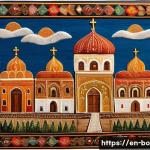
Religion in Bosnia and Herzegovina is deeply intertwined with ethnic identity, shaping daily life, holidays, and community events. Islam, Catholicism, and Serbian Orthodoxy coexist here, each with vibrant traditions and places of worship.
This religious diversity fosters a rich calendar of celebrations, but it also requires careful navigation in social and political spheres to maintain harmony.
I’ve noticed that during major religious holidays, the sense of community strengthens visibly, as families and friends come together to honor their faith while often inviting neighbors from other backgrounds to join.
Celebrations That Unite and Distinguish
Festivals in Bosnia are colorful and meaningful, blending religious rites with local customs. Ramadan, Christmas, and Orthodox Easter mark significant moments for different groups, but the shared joy of celebration often transcends religious boundaries.
For example, the Sarajevo Film Festival, although secular, showcases the country’s commitment to cultural exchange and unity amid diversity. These events provide spaces where people can appreciate each other’s traditions, fostering mutual respect and curiosity that I find both inspiring and heartwarming.
Interfaith Dialogue and Community Initiatives
Efforts to promote understanding between religious communities are increasingly visible. Various NGOs and grassroots organizations organize dialogues, joint charity work, and educational programs aimed at bridging gaps and healing past wounds.
From my own experience attending a local interfaith event, the atmosphere was charged with hope and openness, demonstrating how shared values like peace and cooperation can overcome historical divisions.
These initiatives not only build trust but also empower younger generations to envision a future where diversity is a strength rather than a source of conflict.
The Influence of History on Modern Identity
The Ottoman and Austro-Hungarian Legacies
The cultural landscape of Bosnia and Herzegovina is profoundly shaped by centuries of Ottoman and Austro-Hungarian rule. Ottoman influence is evident in architecture, cuisine, and religious practices, while Austro-Hungarian legacies appear in urban planning and legal systems.
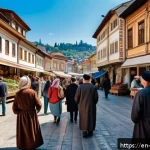
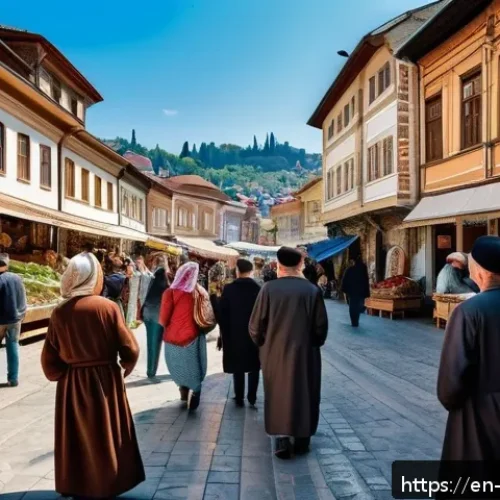
Walking through cities like Mostar, you can see minarets standing alongside baroque buildings, a vivid reminder of this layered history. This blend creates a unique atmosphere where East meets West, and tradition coexists with modernity—a fusion that locals often describe with pride and a touch of nostalgia.
The War’s Enduring Effects on Society
The 1990s conflict left deep scars but also a resilient spirit among the people. Post-war reconciliation efforts have been challenging but necessary for rebuilding trust and social cohesion.
I’ve heard countless stories from friends about their families’ experiences during the war, which highlights the importance of empathy and dialogue in moving forward.
The war’s legacy is still visible in political structures and ethnic divisions, yet there is a strong desire among many citizens to create a shared national identity that embraces all communities.
Preserving Heritage Through Education and Art
Education and the arts play critical roles in maintaining cultural memory and fostering unity. Schools often include curricula that cover the diverse histories and traditions of Bosnia’s peoples, aiming to nurture respect and understanding from an early age.
Meanwhile, artists and writers use their work to explore identity, memory, and reconciliation, contributing to a vibrant cultural scene. I recently visited an exhibition showcasing contemporary Bosnian artists, and the emotional depth and creativity on display truly reflected the country’s ongoing journey toward healing and self-expression.
Traditional Cuisine as a Cultural Bridge
Shared Flavors with Distinctive Twists
Bosnian cuisine is a delicious reflection of its multicultural fabric, combining Ottoman, Mediterranean, and Slavic influences. Dishes like cevapi (grilled meat sausages) and burek (savory pastry) are beloved across ethnic lines, yet each community adds its own flair or preferred seasoning.
Sampling local food in a family-run restaurant often feels like stepping into a living history book, where recipes passed down generations tell stories of coexistence and adaptation.
From my visits, I can say that food here doesn’t just nourish—it also connects people through shared tastes and traditions.
Communal Eating and Social Rituals
Meals in Bosnia and Herzegovina are social events, often involving extended family and friends gathered around a table. The act of sharing food is symbolic of hospitality and trust, with guests frequently encouraged to eat more as a sign of generosity.
I’ve experienced firsthand how invitations to join a meal can break down barriers and create lasting bonds, especially in rural areas where community ties remain strong.
These rituals reinforce cultural values and offer a window into the warmth and openness characteristic of Bosnian society.

The Role of Coffee Culture
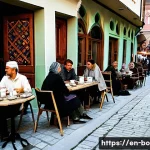
Coffee holds a special place in Bosnian daily life, serving as both a social lubricant and a moment of relaxation. Traditional Bosnian coffee, prepared in a džezva (small pot) and served with rahat lokum (Turkish delight), is more than a drink; it’s an invitation to conversation and connection.
Cafés are bustling hubs where people from all walks of life meet, exchange news, and enjoy company. In my experience, sharing coffee here is an intimate gesture, often marking the beginning of friendships or the deepening of existing relationships.
Artistic Expressions and Cultural Preservation
Folk Music and Dance Traditions
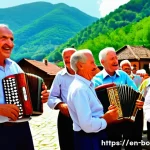
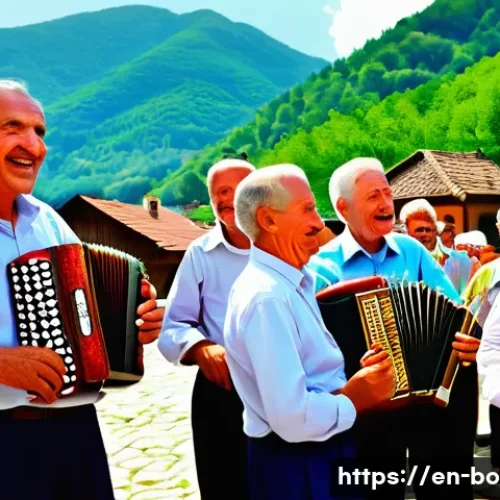
Music and dance are powerful expressions of identity in Bosnia and Herzegovina. Traditional genres like sevdalinka evoke deep emotions with their melancholic melodies and poetic lyrics, often telling tales of love and longing.
Folk dances, performed at celebrations and festivals, showcase regional costumes and communal spirit. I’ve attended several local performances where the passion and skill of the artists left a lasting impression, highlighting how these art forms preserve cultural memory while fostering community pride.
Modern Art and Contemporary Voices
Alongside tradition, contemporary art scenes thrive in cities like Sarajevo, where galleries and street art reflect current social issues and global trends.
Young artists blend old motifs with new media, creating works that challenge perceptions and invite dialogue. I recall visiting a mural project that addressed themes of unity and peace, which resonated deeply given the country’s history.
This dynamic artistic environment illustrates how Bosnia and Herzegovina is not only preserving its past but actively shaping its cultural future.
Craftsmanship and Heritage Industries
Handicrafts such as pottery, embroidery, and woodcarving remain important cultural markers and economic contributors. Artisans often learn their skills from family members, maintaining techniques that date back centuries.
These crafts are sold in markets and shops, attracting tourists and locals alike who appreciate their beauty and cultural significance. From my observations, supporting these heritage industries helps sustain communities and keeps traditions alive, fostering pride and continuity in a rapidly changing world.
Ethnic Diversity and Social Dynamics
Community Structures and Interactions
Bosnia and Herzegovina’s ethnic composition shapes much of its social landscape, with Bosniaks, Croats, and Serbs each maintaining distinct communities.
While this diversity enriches the nation, it also presents challenges in terms of integration and mutual understanding. In my encounters, I’ve seen how neighborhoods and social circles often reflect these ethnic lines, though younger generations increasingly seek common ground through education, sports, and cultural events.
The delicate balance between preserving identity and fostering unity is a central theme in everyday life.
Political Framework and Power Sharing
The country’s political system is uniquely designed to reflect its ethnic diversity, featuring power-sharing arrangements intended to ensure representation for all groups.
This structure, while complex, aims to prevent domination by any single community and promote cooperation. However, it sometimes leads to gridlock and tension, particularly during election periods.
From following local news and discussions, it’s clear that political dynamics remain deeply intertwined with ethnic identities, influencing everything from policy to public sentiment.
Efforts Toward Inclusion and Reconciliation
Despite historical divisions, numerous initiatives work toward fostering inclusion and reconciliation across ethnic lines. Schools, NGOs, and cultural organizations often collaborate on projects that encourage dialogue and shared experiences.
In my visits to community centers, I witnessed workshops where participants from different backgrounds engage in joint activities, breaking down stereotypes and building empathy.
These grassroots efforts are vital in nurturing a future where diversity is embraced as a source of strength rather than division.
| Ethnic Group | Primary Language | Dominant Religion | Key Cultural Element |
|---|---|---|---|
| Bosniaks | Bosnian | Islam | Sevdalinka music |
| Croats | Croatian | Catholicism | Traditional embroidery |
| Serbs | Serbian | Serbian Orthodoxy | Orthodox Easter celebrations |
글을 마치며
Bosnia and Herzegovina presents a fascinating tapestry of languages, faiths, histories, and cultures that together shape its unique identity. Experiencing this diversity firsthand reveals how deeply intertwined these elements are in everyday life, fostering resilience and hope. Whether through language, cuisine, or art, the spirit of coexistence shines brightly. Embracing these layers offers valuable insights into a society continuously healing and evolving.
알아두면 쓸모 있는 정보
1. Learning basic greetings in Bosnian, Croatian, or Serbian can greatly enhance your travel experience and local connections.
2. Participating in communal meals or coffee rituals is a wonderful way to engage with Bosnian hospitality and culture.
3. Visiting festivals like the Sarajevo Film Festival provides a glimpse into the country’s vibrant cultural life beyond religious celebrations.
4. Exploring local art galleries and folk performances helps understand how Bosnians preserve and express their heritage.
5. Awareness of ethnic and religious diversity is key to appreciating the social dynamics and political landscape of Bosnia and Herzegovina.
중요 사항 정리
Understanding Bosnia and Herzegovina requires recognizing its complex linguistic and ethnic mosaic, where multiple languages and dialects coexist with rich cultural traditions. Religion plays a significant role in shaping social life, yet interfaith dialogue is fostering greater unity. Historical influences from Ottoman and Austro-Hungarian periods continue to impact identity, while post-war reconciliation remains a vital ongoing process. Food and art serve as bridges across communities, reflecting shared experiences and resilience. Navigating this diversity with respect and openness is essential for meaningful engagement with the country’s past, present, and future.
Frequently Asked Questions (FAQ) 📖
Q: What are the main ethnic groups in Bosnia and Herzegovina, and how do their cultures differ?
A: Bosnia and Herzegovina is primarily home to three ethnic groups: Bosniaks, Croats, and Serbs. Each group has its own language dialects, religious traditions, and cultural customs.
Bosniaks are predominantly Muslim, Croats mainly practice Catholicism, and Serbs are mostly Orthodox Christians. This diversity influences everything from festivals and cuisine to music and everyday social interactions.
Experiencing these differences firsthand reveals a unique cultural mosaic where traditions coexist, sometimes blending and other times standing distinctly apart.
Q: How has the multicultural makeup of Bosnia and Herzegovina affected its social and political environment?
A: The country’s multicultural nature has deeply shaped its social fabric and political structure. After the conflicts in the 1990s, Bosnia and Herzegovina adopted a complex political system designed to balance power among the three major ethnic groups.
This arrangement aims to ensure representation but can sometimes lead to political gridlock. On a social level, while many communities live peacefully side by side, historical tensions occasionally resurface.
However, this blend of cultures also fosters resilience and a shared identity rooted in diversity, which many locals value highly.
Q: What makes Bosnia and Herzegovina’s cultural identity unique compared to other countries in the region?
A: Bosnia and Herzegovina stands out because of its intricate blend of Eastern and Western influences, shaped by Ottoman, Austro-Hungarian, and Yugoslav histories.
Unlike neighboring countries that may be more ethnically homogeneous, Bosnia’s cultural identity thrives on diversity and coexistence. This is visible in its architecture, religious sites, languages, and culinary traditions.
Walking through Sarajevo, for example, you can see mosques, churches, and synagogues within close proximity—a living testament to centuries of multicultural harmony that you rarely find elsewhere in the Balkans.