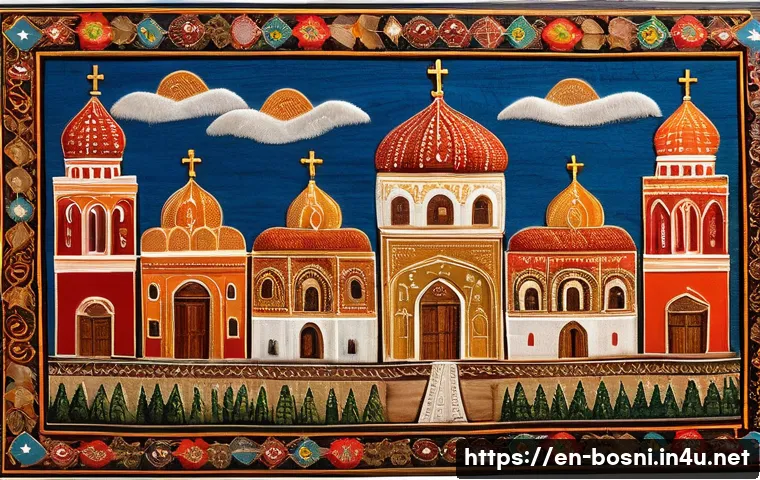
Bosnia and Herzegovina’s art scene is a vibrant tapestry woven from centuries of rich history and diverse cultural influences. From traditional folk motifs to cutting-edge contemporary installations, the country offers a unique perspective that reflects both its turbulent past and hopeful future.
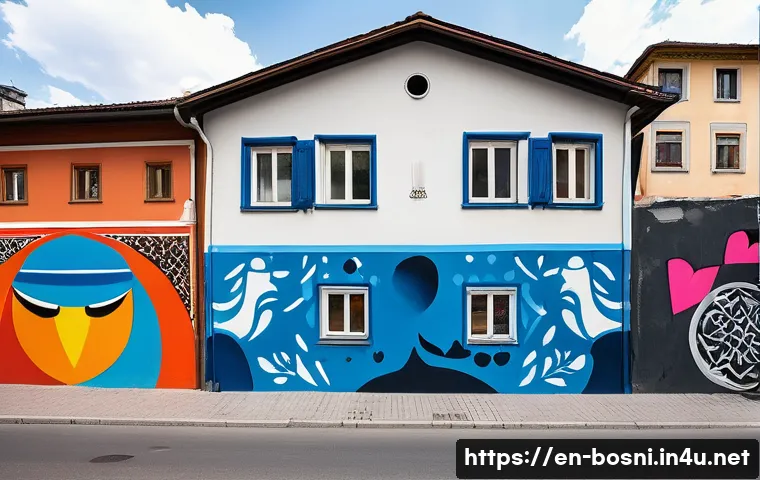
Artists here blend heritage with innovation, making the local art world an exciting space to explore. Whether through visual arts, sculpture, or digital media, Bosnia and Herzegovina’s creative expression continues to evolve dynamically.
Let’s dive deeper and uncover the fascinating layers of its art and modern creativity in the following sections!
Evolution of Artistic Traditions
Roots in Folk Art and Iconography
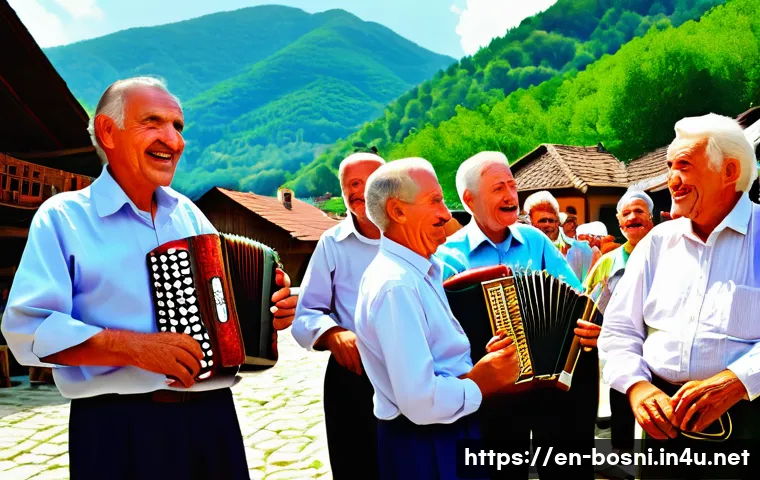
Bosnia and Herzegovina’s artistic journey is deeply anchored in its folk traditions and religious iconography. For centuries, artists have drawn inspiration from rural motifs, vibrant embroidery patterns, and the sacred imagery found in Orthodox and Catholic churches alike.
These traditional elements are not merely decorative; they carry stories of community, spirituality, and resilience. Walking through local museums or heritage sites, you’ll notice how these motifs echo the collective memory of the people, preserved through generations.
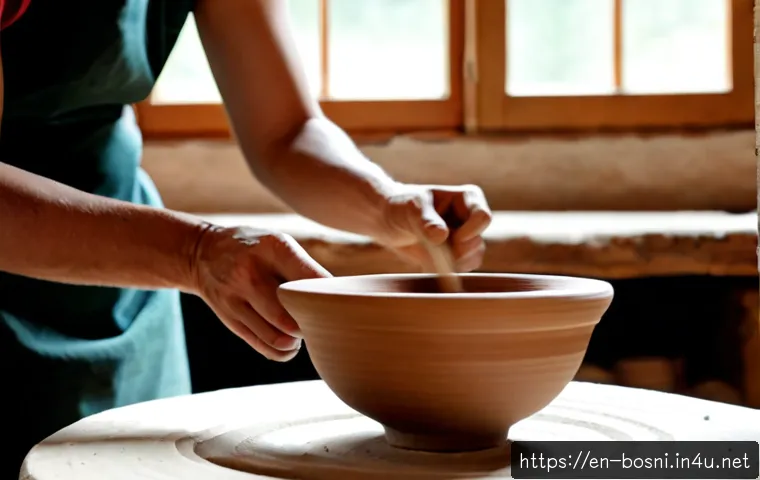
The use of natural pigments and hand-crafted techniques also reflects a respect for materials and processes that has stood the test of time.
Impact of Ottoman and Austro-Hungarian Influences
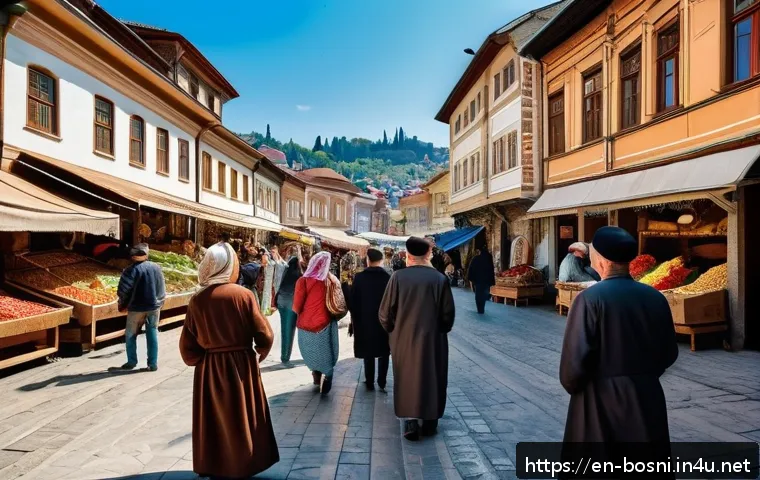
The region’s position as a crossroads of empires left a fascinating imprint on its visual culture. Ottoman rule introduced intricate arabesques and calligraphy, which blended uniquely with local artistic expressions, while Austro-Hungarian governance brought European styles such as Art Nouveau and Secessionism.
This melding of East and West created a hybrid aesthetic that is distinctively Bosnian. Artists often navigated these overlapping influences, combining ornamental complexity with modern European techniques.
This period also saw the rise of architectural gems that doubled as canvases, showcasing painted facades and decorative details that still captivate visitors today.
Transition to Modernism in the 20th Century
The early 1900s marked a turning point as Bosnian artists began experimenting with modernist ideas, inspired by broader European art movements like Expressionism and Cubism.
This shift was not just stylistic but ideological, reflecting social changes and a desire to engage with contemporary issues. Painters and sculptors started to challenge traditional themes, introducing abstraction and bold colors to provoke thought and emotion.
Despite political upheavals, this era fostered a vibrant community of creatives who traveled, exhibited, and connected with international art circles, laying the groundwork for the dynamic art scene we see today.
Contemporary Voices and New Media
Emergence of Multimedia and Digital Art
In recent years, Bosnia and Herzegovina’s art scene has embraced technology with enthusiasm, producing works that integrate video, sound, and interactive installations.
This leap into new media allows artists to tell stories in immersive ways, often addressing current social and political themes. For example, digital platforms have become tools for exploring identity and memory, especially in the aftermath of the country’s recent history.
I’ve personally attended exhibitions where augmented reality and projection mapping transformed gallery spaces, making the experience deeply engaging and thought-provoking.
Street Art and Public Interventions
The urban landscapes of Sarajevo, Mostar, and other cities have become open-air galleries where street artists voice their perspectives. Murals and graffiti here do more than beautify—they challenge, commemorate, and inspire.
Many pieces reflect on war, peace, and cultural diversity, turning public walls into powerful narratives accessible to everyone. The energy in these works is palpable, often created collaboratively with local communities, blurring the lines between artist and audience.
Walking these streets feels like witnessing a living history, constantly evolving with each new brushstroke.
International Collaborations and Festivals
Bosnian artists are increasingly participating in global art exchanges, residencies, and festivals, which enrich their practice and visibility. Events like the Sarajevo Winter Festival and the Dokukino International Documentary Film Festival showcase a blend of local talent and international voices, fostering dialogue and innovation.
These platforms offer artists exposure to new techniques and ideas, while inviting foreign creatives to engage with Bosnian culture. The cross-pollination of perspectives helps push boundaries and keeps the scene vibrant.
From my experience attending these festivals, the atmosphere is electrifying—full of curiosity, experimentation, and genuine connection.
Preservation and Innovation in Sculpture
Traditional Sculpture Techniques and Materials
Sculpture in Bosnia and Herzegovina has traditionally involved natural materials like wood, stone, and metal, crafted with painstaking detail. Many rural communities maintain these artisanal skills, producing pieces that serve religious or decorative purposes.
These works often feature symbolic motifs tied to local folklore and rituals, embodying a tactile link to the past. Visiting workshops or galleries dedicated to sculpture offers a glimpse into these age-old practices, where craftsmanship and storytelling go hand in hand.
Contemporary Sculptural Practices
Today, sculptors are pushing beyond classical forms, experimenting with mixed media, kinetic elements, and large-scale public installations. This evolution reflects a broader trend of questioning traditional boundaries and engaging viewers in dialogue.
Some artists incorporate found objects or recycled materials, commenting on sustainability and consumer culture. The interplay of form, space, and concept creates immersive experiences that invite interpretation.
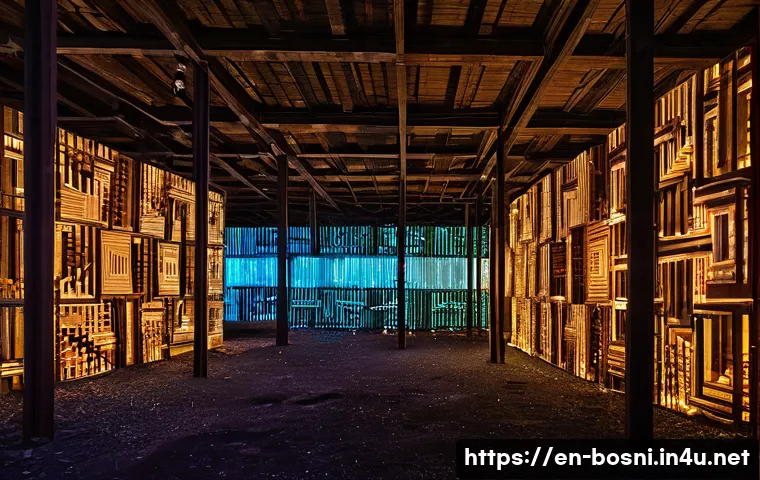
I recall a particular installation in Sarajevo that transformed an abandoned industrial site into a reflective space, blending history and contemporary concerns seamlessly.
Role of Sculpture in Public Memory
Sculptural monuments and memorials play a crucial role in Bosnia and Herzegovina’s collective remembrance, especially related to conflict and reconciliation.
These works often provoke strong emotions, serving as sites for reflection and dialogue. Artists approach these commissions with sensitivity, balancing aesthetic considerations with the weight of history.
The public’s interaction with such sculptures keeps memories alive while fostering ongoing conversations about identity and healing. Experiencing these monuments firsthand reveals how art can be both a tribute and a catalyst for understanding.
Art Education and Emerging Talent
Institutional Support and Academic Programs
Bosnia and Herzegovina boasts several respected art academies and institutions that nurture young talent, offering programs in painting, sculpture, graphic design, and more.
These schools emphasize both technical skill and conceptual development, encouraging students to explore their cultural heritage while engaging with contemporary art trends.
Faculty members often include practicing artists, providing mentorship and real-world insight. From what I’ve observed, graduates from these institutions contribute significantly to the local scene, bringing fresh ideas and energy.
Artist Collectives and Community Spaces
Beyond formal education, grassroots artist collectives and community-run studios play a vital role in fostering creativity and collaboration. These spaces often host workshops, exhibitions, and residencies, creating inclusive environments where emerging artists can experiment and network.
They also serve as hubs for cultural activism, addressing social issues through art. Participating in such collectives has given many artists a platform to amplify their voices and reach wider audiences, strengthening the overall ecosystem.
Challenges and Opportunities for Young Artists
While the artistic landscape is vibrant, young creatives face challenges like limited funding, scarce exhibition venues, and economic instability. However, these obstacles have also sparked innovative approaches to self-promotion and resource sharing.
Crowdfunding, social media, and international partnerships provide alternative pathways for exposure and sustainability. Personally, I’ve noticed a strong spirit of resilience and adaptability among emerging Bosnian artists, which bodes well for the future of the art scene.
Fusion of Cultural Narratives in Visual Expression
Interweaving Ethnic and Religious Themes
The country’s multicultural fabric profoundly influences its visual arts, where diverse ethnic and religious narratives intertwine. Artists often explore themes of coexistence, conflict, and identity through symbolism drawn from Islamic, Christian, and Jewish traditions.
This fusion creates complex layers of meaning, inviting viewers to reflect on shared histories and differences. The resulting works are rich in texture and storytelling, offering a nuanced perspective that transcends simplistic categorizations.
Exploration of Post-War Identity
Post-conflict realities have left an indelible mark on artistic expression, with many creators addressing trauma, memory, and reconstruction. These themes surface in poignant portraits, abstract compositions, and multimedia projects that grapple with loss and hope.
The art becomes a means of processing collective experience and envisioning new possibilities. From my encounters with such works, they carry an emotional weight that resonates deeply, fostering empathy and dialogue.
Celebration of Everyday Life and Nature
Alongside heavier themes, many artists celebrate the beauty of everyday moments and the natural environment. Landscapes, urban scenes, and domestic life are depicted with warmth and attention to detail, reflecting a profound connection to place.
This focus offers a refreshing balance, reminding viewers of resilience and joy amid challenges. The use of color, light, and texture in these pieces often evokes a sense of intimacy and belonging.
Key Artistic Movements and Influencers
Notable Artists Shaping the Scene
Several pioneering artists have left a lasting legacy on Bosnia and Herzegovina’s art landscape. Figures like Mersad Berber combined surrealism with folk motifs, creating evocative works that resonate internationally.
Contemporary influencers continue this tradition, blending innovation with cultural commentary. These artists serve as beacons, inspiring new generations to explore both their roots and global trends.
Significant Artistic Movements
Movements such as the Sarajevo School of Painting and the post-war conceptual art wave have each marked important chapters. The Sarajevo School emphasized figurative art with social themes, while later movements embraced abstraction and critical theory.
Understanding these shifts helps contextualize the diversity and depth of the current scene.
Impact of International Exposure
Global exhibitions and residencies have expanded Bosnian artists’ horizons, allowing cross-cultural dialogue and stylistic experimentation. This exposure enhances the country’s artistic reputation and encourages hybrid forms that challenge boundaries.
Artists often return with fresh perspectives, enriching the local milieu.
| Aspect | Traditional Art | Contemporary Art |
|---|---|---|
| Materials | Wood, stone, natural pigments | Mixed media, digital tools, recycled objects |
| Themes | Folk motifs, religious iconography | Identity, memory, social issues |
| Techniques | Handcraft, embroidery, painting | Installation, multimedia, performance |
| Audience Engagement | Community rituals, religious ceremonies | Interactive exhibits, public art, festivals |
| Influences | Ottoman, Austro-Hungarian | Global contemporary trends, digital culture |
Conclusion
Bosnia and Herzegovina’s artistic heritage is a rich tapestry woven from diverse cultural influences and historical experiences. Its evolution from traditional folk art to contemporary multimedia reflects both resilience and innovation. This vibrant art scene continues to inspire, provoke thought, and connect communities through a shared creative language. Exploring it offers a unique window into the country’s soul and ongoing story.
Useful Information to Know
1. Bosnia and Herzegovina’s art blends Eastern and Western traditions, shaped by Ottoman and Austro-Hungarian legacies.
2. Contemporary artists often use digital media and public spaces to address social and political themes.
3. Sculpture remains a vital form, bridging traditional craftsmanship with modern conceptual approaches.
4. Local art institutions and community collectives play key roles in nurturing emerging talent.
5. International festivals and collaborations provide Bosnian artists with valuable exposure and creative exchange.
Key Takeaways
Understanding Bosnia and Herzegovina’s art requires appreciating its multicultural roots and the way history has shaped creative expression. Traditional techniques coexist with cutting-edge practices, reflecting a dynamic dialogue between past and present. The art scene is marked by strong community engagement, a commitment to storytelling, and a growing presence on the global stage. For anyone interested in art that embodies resilience and cultural fusion, Bosnia offers a compelling and evolving narrative.
Frequently Asked Questions (FAQ) 📖
Q: What are the main influences shaping Bosnia and Herzegovina’s art scene?
A: Bosnia and Herzegovina’s art is deeply influenced by its complex history, including Ottoman, Austro-Hungarian, and Yugoslav periods. These layers of cultural heritage blend with contemporary global trends, resulting in artwork that often reflects themes of resilience, identity, and transformation.
Many artists draw on traditional folk motifs and historical narratives while experimenting with modern techniques and digital media, creating a vibrant dialogue between past and present.
Q: How accessible is the contemporary art scene for visitors in Bosnia and Herzegovina?
A: The contemporary art scene is surprisingly accessible and welcoming to visitors. Cities like Sarajevo and Mostar host galleries, art festivals, and cultural events throughout the year, offering opportunities to experience both emerging and established artists.
Many venues encourage interaction, and local artists are often eager to share their stories and creative processes. For those curious about the evolving art landscape, guided tours and artist talks provide deeper insights, making it an enriching experience even for first-time visitors.
Q: Are there any unique art forms or mediums that Bosnia and Herzegovina artists specialize in?
A: Yes, Bosnia and Herzegovina artists have gained recognition for their innovative approaches to traditional crafts like carpet weaving, wood carving, and calligraphy, which they frequently reinterpret in contemporary contexts.
Additionally, there’s a strong presence of multimedia and installation art, reflecting the country’s embrace of technology and new media. Many artists use their work to address social and political issues, employing symbolism and interactive elements that engage audiences on multiple levels, making their art both thought-provoking and visually striking.