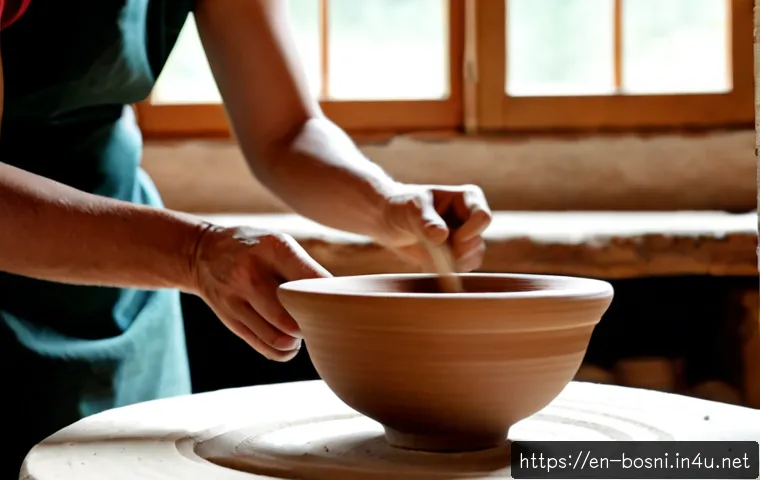
A ceramic piece from Bosnia and Herzegovina is usually worth paying more for when the maker or origin is clearly identified, its finish suits the intended use, and it can be transported safely.
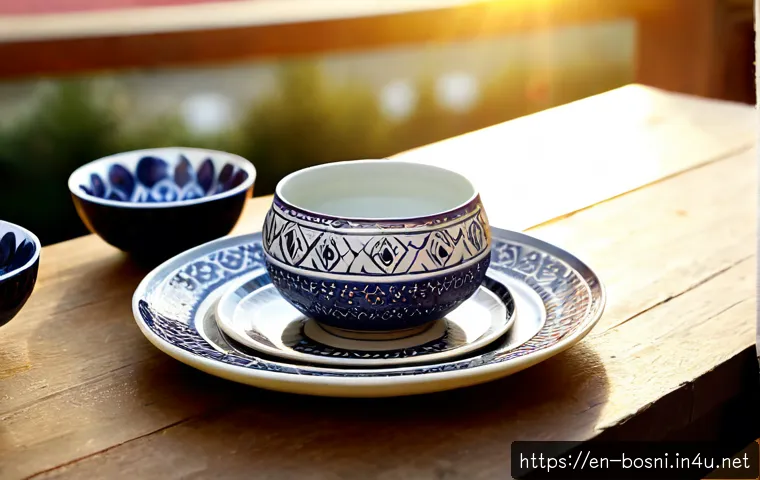
Visual charm alone is not enough to confirm that an item is handmade, locally produced, old, or collectible. The country’s ceramic art can reflect local, Ottoman, Austro-Hungarian, Slavic, and wider European cultural influences.
Buyers should compare decorative appeal with practical use, condition, documentation, and seller policies before choosing a handmade gift or collectible.
This is especially important in visitor areas, where a ceramic item may be locally made, imported, factory-produced, or newly created in a traditional-looking style.
A few direct questions can make a purchase more meaningful and reduce avoidable shipping or luggage damage.
At a Glance
- Clear maker identification and origin are stronger buying signals than appearance alone.
- Ceramics may be functional household ware, decorative craft, contemporary studio pottery, or collectible objects.
- Before buying, check condition, intended use, packaging, transport rules, and seller policies.
| Type of Piece | Origin Clarity | Main Value Factors | Buyer Risk to Check |
|---|---|---|---|
| Handmade studio pottery | Often stronger when the maker is identified | Maker, materials, finish, condition, intended use | Do not assume every irregularity proves handmade production |
| Souvenir ceramics | Can vary widely by seller and item | Design, gift value, portability, finish | Local-looking decoration does not confirm local production |
| Decorative antique-style pieces | Requires documentation or credible attribution | Age, rarity, provenance, condition, repair history | An older appearance does not prove that an item is antique |
| Functional tableware | Maker and intended-use information are useful | Durability, glaze condition, food-contact suitability | Ask before using cups, plates, or cooking vessels for food and drink |
What Makes Ceramic Art from Bosnia and Herzegovina Distinctive?
A crossroads of local, Ottoman, Austro-Hungarian, and modern design influences
Bosnia and Herzegovina has a culturally diverse heritage shaped by Slavic, Ottoman, Austro-Hungarian, and wider European influences. That layered setting gives buyers a useful context for looking at ceramic art, but it should not be treated as a shortcut to authentication. A pattern, color palette, or decorative mood may feel regionally connected without proving where, when, or by whom an object was made.
For a more confident purchase, ask the seller what can be documented. A clear answer about the maker, production location, materials, or collection background is more useful than a broad claim that a piece is “traditional.”
Functional pottery, decorative objects, and contemporary studio ceramics
Ceramic objects can serve very different purposes. A small decorative bowl may be chosen as an artisan gift. A vase or wall piece may suit an interior-design display. Cups, plates, and cooking vessels require a more practical review because their surface, durability, and intended use matter after the purchase.
Buy for the purpose you actually have. A decorative object does not need to meet the same expectations as everyday tableware, while a functional piece should not be selected on appearance alone.
Three things to check first: maker, material, and intended use
Start with three simple questions: Who made it? What is it made from? What is it meant to be used for? If the maker is not identified, ask whether the seller can clarify the production location or whether the item is imported. If the material or food-contact suitability is unclear, treat the piece as decorative until you receive reliable information.
Handmade pottery may vary in shape, glaze, firing marks, and surface finish even within one maker’s collection. These variations can be part of handmade work, but they are not conclusive proof of origin or age.
Comparing Souvenir Pottery, Artisan Ceramics, and Collectible Pieces
Handmade versus mass-produced: visible signs and limits of visual inspection
Handmade ceramics often show small differences from one piece to another. You may notice variation in the rim, glaze coverage, firing marks, or overall surface finish. These details can be worth examining, especially when comparing several pieces from the same collection.
Still, visual inspection has limits. It cannot reliably establish whether an object was made in Bosnia and Herzegovina, whether it is factory-produced, or whether it was made recently in an older-looking style. When origin matters, maker identification and documentation should carry more weight than visual clues.
Decorative value versus everyday usability
A decorative ceramic purchase can be guided by composition, color, size, and how well it fits a room or display. A functional purchase needs another layer of questions: Is it intended for food or drink? Is the glaze in good condition? Does the seller provide use and care information?
For a gift shopper, a smaller object with a clear story and manageable packing needs may be more practical than a large fragile centerpiece. For a collector, a less dramatic-looking piece with documented provenance may be more compelling than an unverified decorative item.
Comparison table: origin clarity, durability, price factors, and buyer risk
Price alone does not establish quality or authenticity. A higher price may reflect maker identification, documented provenance, rarity, condition, materials, or careful retail presentation. It may also reflect factors that are not obvious to a buyer. Ask what specifically supports the price.
Useful questions include: “Is the maker identified?” “Where was this piece produced?” “Is it intended for food contact?” “Has it been repaired?” and “What happens if it arrives damaged?” These questions are appropriate whether you are shopping in Sarajevo, Mostar, another visitor center, or through an online seller.
How to Assess Quality, Condition, and Fair Value
Glaze quality, cracks, chips, crazing, and repair marks
Examine the surface in good light. Look for visible cracks, chips, worn areas, glaze irregularities, or signs that a piece may have been repaired. Crazing, or fine lines in a glaze surface, should be treated as a condition point to ask about rather than an automatic sign of age or value.
A small imperfection may be acceptable in a decorative handmade piece if it is disclosed and suits your expectations. It becomes more important when you are considering a collectible item, paying a premium, or buying functional tableware.
Questions to ask about artist attribution and production location
Ask for the information the seller actually has, rather than inviting vague assurances. You can ask whether there is a signature, label, maker mark, receipt, certificate, gallery record, or other provenance documentation. If there is no documentation, describe the piece to yourself accurately: it may be an attractive ceramic object with unverified origin.
In Sarajevo, Mostar, and other visitor centers, craft shops, galleries, museums, and market-style retailers may offer ceramics. Each item should be verified individually. The location of the shop is not, by itself, evidence of where an object was made.
When a higher price may be justified—and when it may not be
A higher price can be easier to evaluate when it is tied to clear factors: identified maker, documented provenance, condition, rarity, materials, or a known production context. For handmade gifts, careful finishing and suitable packaging may also matter because fragile items face transport risk.
A premium is harder to assess when the claims are broad but the details are missing. Be cautious when “antique,” “traditional,” or “local” cannot be supported by a maker name, origin information, condition disclosure, or documentation.
Paying in BAM, card acceptance, receipts, and return-policy checks
The official currency of Bosnia and Herzegovina is the convertible mark (BAM). Before paying, ask which payment methods the seller accepts and whether a receipt is available. A receipt can be useful for your own records, especially if you need to discuss a shipping issue, return policy, or customs declaration later.
Also ask about returns before the transaction is complete. Return options, breakage policies, and card acceptance vary by seller, so they should not be assumed.
Buying and Transporting Ceramics Without Costly Mistakes

Food-contact safety for cups, plates, and cooking vessels
Do not assume that every glazed ceramic item is suitable for food or drink. Ask whether the item is intended for food contact and whether the seller provides care guidance. This is particularly important for cups, plates, bowls, and cooking vessels.
If the seller cannot provide clear information, the safer buying decision is to treat the piece as decorative rather than making assumptions about daily use.
Packing fragile pottery for checked luggage or international shipping
Fragile ceramics need protection from direct contact, pressure, and movement. Before traveling, consider the piece’s size, shape, handles, lids, and protruding decoration. A small, compact gift may be easier to protect than a large vessel with delicate edges.
Travelers should check airline baggage rules before packing ceramics. If ordering online, ask how the seller packages fragile pieces and whether the shipment includes tracking or a stated process for breakage claims.
Insurance, tracking, customs, and seller packaging standards
International shipping costs, insurance coverage, customs duties, and breakage policies depend on the seller and destination. Ask these questions before ordering rather than after a parcel is sent. Check whether tracking is available, how damage is documented, and what the seller’s policy says if the item arrives broken.
Customs requirements can also apply to travelers carrying ceramic items across borders. Check the requirements for your destination before you travel or place an international order.
Mistakes to avoid when buying “antique” or “traditional” pieces
Avoid treating an old-looking surface as proof of age. Avoid assuming that a traditional-style design confirms local production. And avoid paying a collector-level price when the seller cannot explain condition, maker attribution, origin, or repair history.
Walk away when essential facts are unclear and the price depends on those facts. There will be other decorative pieces; documentation is much harder to replace after the sale.
Choosing the Right Piece for Your Purpose
For travelers seeking a meaningful, packable gift
Choose a piece that is easy to carry, clearly described, and suited to the recipient’s needs. A modest decorative item with maker information can make a more thoughtful handmade gift than a larger object that is difficult to transport safely. Ask for a receipt and review packaging options before leaving the shop.
For home decorators building a Balkan-inspired display
Decorators can prioritize shape, surface, scale, and visual connection with an existing room. A display can combine decorative ceramics without requiring every object to be antique or highly collectible. Be clear about what you are buying: design value is valid on its own, even when provenance is limited.
For collectors seeking documented makers and provenance
Collectors should put documentation before decoration. Maker identification, condition details, age claims, rarity, materials, and provenance can affect value. Ask for records that support the seller’s description, and disclose uncertainty to yourself when those records are unavailable.
For buyers who want functional tableware rather than display art
Functional buyers should focus on intended use, glaze condition, and care information. Confirm that cups, plates, bowls, or cooking vessels are meant for food contact before using them that way. When the information is incomplete, choose a clearly decorative role instead.
Selection Criteria and Comparison Summary
Use this short checklist before committing to a purchase: identify the maker or state that origin is unverified; inspect cracks, chips, crazing, and repairs; match the item to decorative or functional use; ask what supports the price; and confirm packing, delivery, return, and breakage terms. Buy locally when you can inspect the piece and ask questions directly. Consider ordering online when the seller provides clear photographs, item details, and transport policies. Walk away when an important claim—such as antique status, local origin, or food-contact suitability—cannot be supported. Compare seller policies before ordering fragile pieces, and review the official details on the relevant seller or carrier page.
In Closing
Bosnian and Herzegovinian ceramic art can be a meaningful way to explore the country’s layered cultural setting through an object made for use, display, or collecting. The best purchase is not automatically the oldest-looking or most ornate piece. It is the one whose purpose, condition, origin information, and transport plan fit your needs. A careful buyer can appreciate decorative beauty while remaining honest about what is known and what still needs verification.
Useful Things to Know
1. The official currency is the convertible mark (BAM).
2. Handmade pieces may naturally vary in shape, glaze, firing marks, and finish.
3. Shops in visitor centers can carry different kinds of merchandise, so verify each item individually.
4. Receipts, maker marks, and documented provenance can be useful long after the purchase.
5. Airline and customs requirements should be checked before transporting fragile ceramics internationally.
Important Considerations
Neither appearance nor a shop location can confirm that a ceramic item was made in Bosnia and Herzegovina, handmade, antique, or safe for food contact. Exact prices, artist reputations, production methods, shipping costs, insurance coverage, customs duties, and individual seller policies require direct confirmation. Review the item description, ask specific questions, and keep any documentation provided with the purchase.
Frequently Asked Questions
Q1. How can I tell whether a ceramic item is genuinely made in Bosnia and Herzegovina?
A1. Ask for maker identification, a production location, a maker mark, a receipt, or other documentation. Decorative style and the location of the shop are not enough to confirm origin. If evidence is unavailable, consider the origin unverified.
Q2. What should I expect to pay for handmade ceramic souvenirs in Bosnia and Herzegovina?
A2. There is no reliable single price expectation. Prices can depend on maker identification, condition, materials, size, rarity, provenance, and the seller’s presentation. Ask what factors support the listed price rather than relying on a general label such as “handmade” or “traditional.”
Q3. Is it safe to buy vintage or glazed pottery for food and drink use?
A3. Do not assume that a vintage or glazed piece is suitable for food contact. Ask whether it is intended for food and drink use and whether the seller provides care information. If that cannot be confirmed, use it as decoration instead.
Q4. What is the safest way to bring ceramic art home from Sarajevo or Mostar?
A4. Choose a manageable piece, ask about protective packaging, keep it protected from pressure and movement, and check airline baggage rules before traveling. For shipped items, confirm packaging standards, tracking, insurance options, customs requirements, and the seller’s breakage policy before ordering.