In today’s rapidly changing world, understanding the deep-rooted connections between neighboring countries is more important than ever. Bosnia and Croatia share a history woven with centuries of cultural, political, and social ties that continue to influence their relationship today.
Recent developments in regional cooperation and European integration efforts highlight how this complex past shapes present and future dynamics. If you’ve ever wondered how historical legacies impact modern diplomacy and everyday life in the Balkans, you’re in the right place.
Let’s embark on a journey to unravel the intricate bond between these two nations and discover stories that often go untold. Stick around—there’s much more to explore beneath the surface.
Layers of Shared Heritage and Cultural Exchange
Historical Roots Beyond Borders
The intertwining of Bosnia and Croatia’s histories goes back centuries, shaped by empires, migrations, and evolving identities. Long before modern nation-states emerged, the regions now known as Bosnia and Croatia were part of larger entities such as the Ottoman and Austro-Hungarian empires.
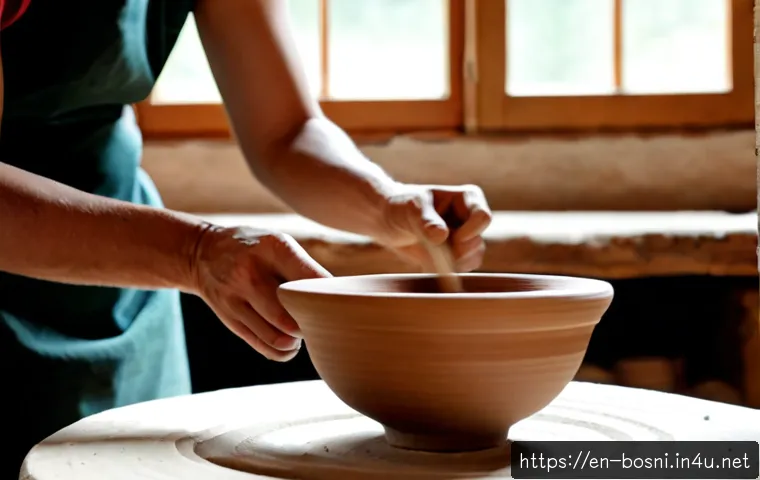
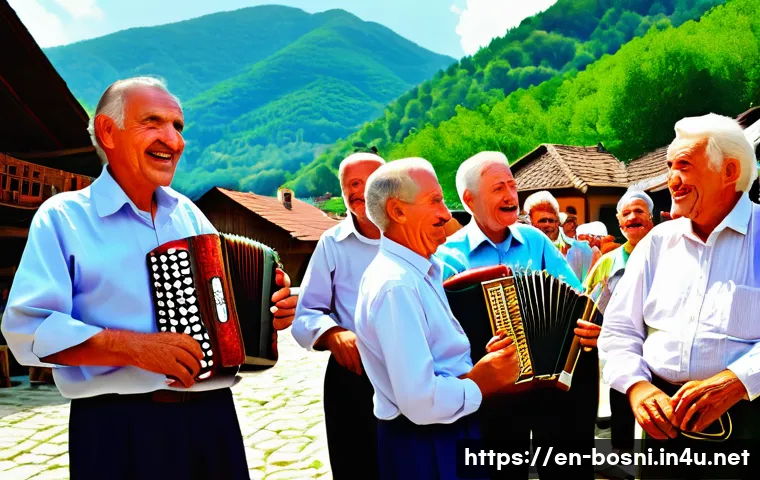
These overlapping sovereignties created a mosaic of cultural influences that still resonate today. What fascinates me personally is how local traditions, from folk music to culinary habits, reflect this layered past.
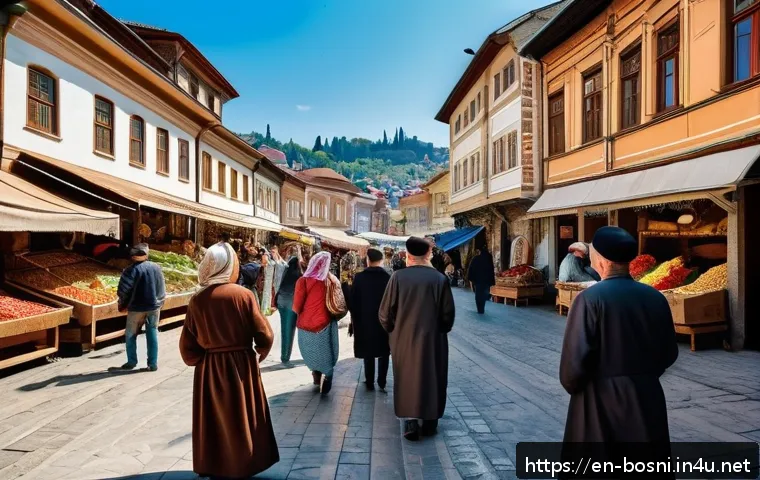
For instance, the blending of Slavic and Mediterranean elements in Croatian coastal towns contrasts yet complements the Ottoman-inspired architecture found in Bosnian cities like Sarajevo.
This shared heritage fosters a unique cultural dialogue, making their relationship much richer than simple political boundaries might suggest.
Religious and Ethnic Diversity as a Cultural Bridge
Religion and ethnicity have historically been both a point of division and a bridge between these two nations. Bosnia’s diverse religious landscape—Islam, Catholicism, and Orthodoxy—creates a complex social fabric that overlaps with Croatia’s predominantly Catholic population.
This diversity has spurred centuries of both cooperation and tension, but it also led to a vibrant cultural exchange. Festivals, religious holidays, and intercommunal celebrations often showcase this blend, revealing a shared respect and understanding born out of proximity.
I’ve noticed that despite political narratives, on the ground, people often engage in mutual cultural appreciation, which hints at a deep-rooted connection beyond surface-level differences.
Language as a Living Connection
Although Bosnian, Croatian, and Serbian are recognized as separate languages today, they share a common linguistic foundation. This mutual intelligibility is a daily reminder of the intertwined histories and close interactions between these peoples.
It’s interesting how language serves as both a connector and a marker of identity. In border regions, it’s common to hear a seamless mix of dialects, slang, and expressions that reflect a shared cultural space.
From personal experience, this linguistic closeness facilitates cross-border friendships and business relations, proving that language is a living, breathing part of their ongoing relationship.
Economic Interdependence and Cross-Border Collaboration
Trade Routes and Economic Synergies
Economic ties between Bosnia and Croatia have historically been strong, with trade playing a crucial role in their relationship. Croatia’s access to the Adriatic Sea and Bosnia’s inland position create complementary advantages.
Croatian ports serve as critical gateways for Bosnian exports, while Bosnian raw materials and labor contribute to Croatian industries. When I visited some industrial zones near the border, it was clear that supply chains and workforce mobility blur the lines between the two economies.
These practical interdependencies underscore how economic cooperation is not just beneficial but necessary for regional prosperity.
Joint Infrastructure Projects Enhancing Connectivity
Infrastructure development has been a key area of collaboration, aimed at improving connectivity and fostering economic growth. Highways, railways, and energy networks have been jointly developed or planned, reflecting shared interests in regional integration.
From what I’ve observed, these projects often face challenges like funding and bureaucratic hurdles, yet they symbolize a tangible commitment to working together.
Improved infrastructure not only facilitates trade but also promotes tourism and cultural exchanges, reinforcing the multifaceted bond between the countries.
Challenges and Opportunities in Labor Mobility
Labor mobility is another critical aspect of economic interdependence. Many Bosnians work in Croatia, contributing to the Croatian economy while supporting families back home.
However, this dynamic comes with challenges such as legal complexities, social integration, and fluctuating labor market demands. Having spoken to individuals navigating this cross-border work life, I can attest to both the opportunities it offers and the uncertainties it entails.
Addressing these issues requires bilateral dialogue and policies that balance national interests with human realities.
Political Narratives and Regional Diplomacy
Historical Conflicts and Their Lingering Shadows
The tumultuous events of the 1990s, including the Yugoslav Wars, left deep scars on Bosnia and Croatia’s political relationship. These conflicts reshaped borders, identities, and alliances, creating a legacy that still influences diplomatic interactions today.
While official statements often emphasize reconciliation and cooperation, underlying tensions occasionally surface in political discourse and media. From my perspective, understanding this historical context is essential to grasping current political stances and public sentiments in both countries.
Efforts Toward European Integration
Both Bosnia and Croatia share ambitions related to European Union integration, though their paths and progress differ. Croatia’s EU membership since 2013 offers a reference point and potential support for Bosnia’s ongoing efforts.
This shared goal encourages cooperation on reforms, border management, and regional stability. I find it encouraging how EU-related projects and dialogues create platforms for constructive engagement, even amid complex political landscapes.
These efforts highlight how external frameworks can help transform historical challenges into opportunities for unity.
Cross-Border Cooperation Mechanisms
Beyond formal diplomacy, numerous cross-border cooperation initiatives exist at local and regional levels. These range from joint environmental programs to cultural festivals and youth exchanges.
Such grassroots activities are crucial in building trust and understanding. I recall attending a joint cultural event near the border where people from both sides mingled freely, sharing stories and traditions.
These moments of connection often fly under the radar but are vital in knitting a more cohesive regional fabric.
Social Interactions and Everyday Realities
Interpersonal Relationships Across Borders
On a human scale, the connection between Bosnians and Croatians is evident in friendships, marriages, and family ties that cross borders. These personal relationships often transcend political and ethnic divides, showcasing the resilience of social bonds.
From conversations with locals, it’s clear that many view their neighbors as part of an extended community rather than strangers. This social interweaving enriches cultural life and provides a foundation for peace and cooperation.
Shared Challenges and Community Responses
Both countries face similar social issues, such as youth unemployment, migration, and demographic shifts. Communities often tackle these problems together through NGOs, joint educational programs, and social initiatives.
I’ve seen firsthand how collaborative efforts in areas like youth empowerment or environmental conservation create positive impacts and foster a sense of shared destiny.
These responses reflect a pragmatic recognition that challenges do not respect borders.
Tourism as a Cultural and Economic Bridge
Tourism plays a pivotal role in connecting Bosnia and Croatia, with travelers frequently crossing borders to experience the region’s rich history and natural beauty.
Croatia’s Adriatic coast attracts visitors who often extend their trips into Bosnian cities famed for their heritage and hospitality. This flow not only boosts local economies but also promotes intercultural understanding.
From my travels, I can say that tourism serves as a living classroom, breaking down stereotypes and building appreciation for the region’s diversity.
Environmental Cooperation and Shared Natural Resources
Protecting Transboundary Ecosystems
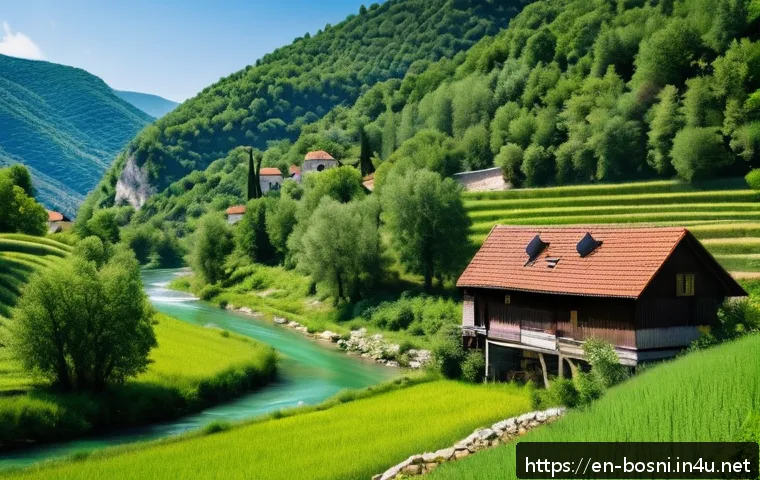
The natural landscapes spanning Bosnia and Croatia include rivers, forests, and mountains that require joint stewardship. Environmental challenges such as pollution, deforestation, and climate change impact both sides, necessitating collaborative management.
I’ve come across projects where local communities and governments work together to protect shared ecosystems, highlighting a practical approach to diplomacy through environmental care.
Water Management and River Cooperation
Rivers like the Una and Neretva flow through both countries, serving as vital water sources and ecological corridors. Coordinated water management is crucial to ensure sustainable use, flood control, and biodiversity preservation.
From technical meetings I’ve observed, it’s clear that despite occasional disagreements, there is a strong commitment to cooperation in this field, reflecting mutual dependency and respect for natural heritage.
Renewable Energy Initiatives
Both nations are investing in renewable energy sources such as hydroelectric and solar power, with cross-border projects emerging as promising avenues.
These initiatives not only contribute to energy security but also foster economic collaboration and innovation. I find it inspiring how environmental goals can catalyze new partnerships that transcend historical grievances and political differences.
Table Summarizing Key Aspects of Bosnia-Croatia Relations
| Aspect | Description | Impact on Relations |
|---|---|---|
| Cultural Heritage | Shared traditions influenced by Ottoman and Austro-Hungarian empires | Fosters mutual understanding and cultural dialogue |
| Economic Ties | Complementary economies with trade and labor mobility | Enhances interdependence and regional prosperity |
| Political History | Legacy of Yugoslav Wars and ongoing EU integration efforts | Shapes diplomatic approaches and reconciliation efforts |
| Social Connections | Cross-border families, friendships, and joint community projects | Strengthens grassroots cooperation and peacebuilding |
| Environmental Cooperation | Joint management of rivers, forests, and renewable energy projects | Promotes sustainable development and trust-building |
Media Narratives and Public Perceptions
Influence of Media on Bilateral Views
Media in both countries play a significant role in shaping public perceptions of each other. Sometimes, nationalistic narratives can amplify tensions, while other outlets promote stories of cooperation and shared success.
Having followed regional news cycles, I’ve noticed that the tone and focus vary widely depending on political climates and current events. This media landscape influences how citizens perceive their neighbors, which in turn affects interpersonal and diplomatic relations.
The Role of Social Media in Bridging Divides
Social media platforms have become powerful tools for individuals to share personal stories, cultural content, and real-time experiences that challenge stereotypes.
I’ve witnessed social media campaigns promoting peace and cultural exchange between young people in Bosnia and Croatia, demonstrating how digital connectivity can foster empathy and understanding beyond official channels.
Challenges of Misinformation and Stereotypes
Despite positive initiatives, misinformation and entrenched stereotypes persist, often fueled by selective historical interpretations or political agendas.
These can hinder trust and complicate reconciliation processes. Engaging critically with media and encouraging cross-border dialogue are essential steps toward overcoming these barriers, something I’ve found crucial in conversations with locals and experts alike.
Education and Youth Engagement as Future Foundations
Cross-Border Educational Programs
Educational exchanges and joint academic projects are vital in building future generations that appreciate their shared history and cultural diversity.
Universities and schools in both countries increasingly collaborate, offering programs that encourage mobility and intercultural learning. I’ve met students who participate in these initiatives and find them transformative, broadening their perspectives and fostering friendships.
Youth Empowerment and Leadership Initiatives
Youth-led organizations play a critical role in shaping the future of Bosnia-Croatia relations. Through workshops, cultural events, and advocacy, young people actively contribute to peacebuilding and regional cooperation.
Their energy and fresh ideas inject optimism into a relationship historically marked by conflict, signaling hope for a more united future.
Challenges in Overcoming Historical Narratives
Despite progress, young people sometimes inherit polarized views shaped by their families or communities. Addressing these challenges requires sensitive educational approaches that promote critical thinking and empathy.
From my experience engaging with youth activists, creating safe spaces for dialogue is key to breaking down prejudices and nurturing a shared regional identity.
Tourism and Cultural Heritage Preservation
Joint Tourism Initiatives
Tourism boards and local governments have started to collaborate on promoting the Balkans as a unified destination that offers diverse experiences. Joint marketing campaigns highlight the rich cultural heritage and natural beauty shared by Bosnia and Croatia.
When I explored some of these efforts, it was clear that such cooperation benefits both economies and encourages visitors to explore beyond national borders.
Preserving Shared Historical Sites
Many historical monuments and sites reflect the intertwined histories of the two countries. Preservation efforts often involve cross-border cooperation to maintain these treasures for future generations.
I’ve seen how joint restoration projects not only protect heritage but also create opportunities for education and tourism, reinforcing cultural connections.
Impact of Tourism on Local Communities
Tourism’s growth brings economic benefits but also challenges like environmental pressure and cultural commodification. Local communities on both sides are increasingly involved in managing tourism sustainably.
Their voices and participation are crucial in ensuring that tourism enhances rather than diminishes the authenticity and quality of life in the region.
Conclusion
Exploring the multifaceted relationship between Bosnia and Croatia reveals a rich tapestry woven from shared history, cultural exchanges, and economic cooperation. Despite past challenges, their ongoing collaboration in various fields reflects resilience and a hopeful vision for the future. Understanding these dynamics helps appreciate the depth and complexity of their connection beyond mere geography. It’s clear that people-to-people ties continue to build bridges that foster lasting peace and prosperity.
Useful Information to Keep in Mind
1. The intertwined histories of Bosnia and Croatia have shaped a unique cultural blend that still influences traditions and daily life today.
2. Economic interdependence, especially through trade and labor mobility, plays a vital role in sustaining regional growth and cooperation.
3. Political narratives rooted in past conflicts remain sensitive, but ongoing efforts toward EU integration offer a pathway to stability and partnership.
4. Social connections, including cross-border families and youth engagement, strengthen grassroots peacebuilding and mutual understanding.
5. Joint initiatives in environmental protection and tourism development highlight practical cooperation that benefits both nations and their communities.
Key Takeaways
The relationship between Bosnia and Croatia is characterized by a layered cultural heritage and significant economic collaboration, which together foster mutual respect and interdependence. While historical conflicts still influence political discourse, shared goals like European integration and regional connectivity encourage positive engagement. Social and environmental cooperation further reinforce this partnership, underscoring the importance of people-centered initiatives. Ultimately, the ongoing dialogue and joint efforts across multiple sectors illustrate how historical complexities can evolve into opportunities for unity and sustainable development.
Frequently Asked Questions (FAQ) 📖
Q: How have historical events shaped the current relationship between Bosnia and Croatia?
A: The relationship between Bosnia and Croatia is deeply influenced by a shared history that spans centuries, including periods under the Austro-Hungarian Empire, the Ottoman Empire, and Yugoslavia.
These complex historical layers have created intertwined cultural and social ties but also led to tensions, especially during the 1990s conflicts. Today, both countries strive to build cooperation based on mutual respect, yet the legacy of past events still plays a role in political dialogues and community relations.
Understanding this background is key to grasping how they collaborate on regional initiatives and European integration efforts.
Q: In what ways does regional cooperation between Bosnia and Croatia benefit their citizens?
A: Regional cooperation has brought tangible benefits like improved trade, infrastructure development, and cultural exchange programs. For example, joint projects in transportation and energy have enhanced connectivity and economic opportunities, making daily life easier for people living near the border.
Additionally, shared efforts in tourism promotion have helped highlight the unique cultural heritage of both countries, attracting more visitors and creating jobs.
From my experience, when neighbors work together, it fosters stability and opens doors to a better future for everyone involved.
Q: How does the European integration process affect Bosnia and Croatia’s bilateral relations?
A: Croatia’s EU membership since 2013 has set a benchmark and pathway for Bosnia’s own ambitions to join the European Union. This dynamic encourages Bosnia to align its political and economic systems with EU standards, often with Croatia acting as a supportive neighbor and advocate.
However, the process also introduces challenges, such as managing border controls and harmonizing regulations. From what I’ve observed, EU integration acts as both a motivator and a framework that pushes Bosnia and Croatia to deepen cooperation, fostering a more peaceful and prosperous Balkan region.